Between Two Worlds
The Yiddish Book Center’s Public Libraries Program brings Yiddish literature in translation to public libraries across the United States to deepen their engagement with Yiddish literature and Jewish life, religion, and culture, and to foster vibrant cross-cultural dialogue and discussion in their communities.
Yiddish literature in translation
Upcoming Programs
Sunday, 3/8 From 2-4pm (Room C)
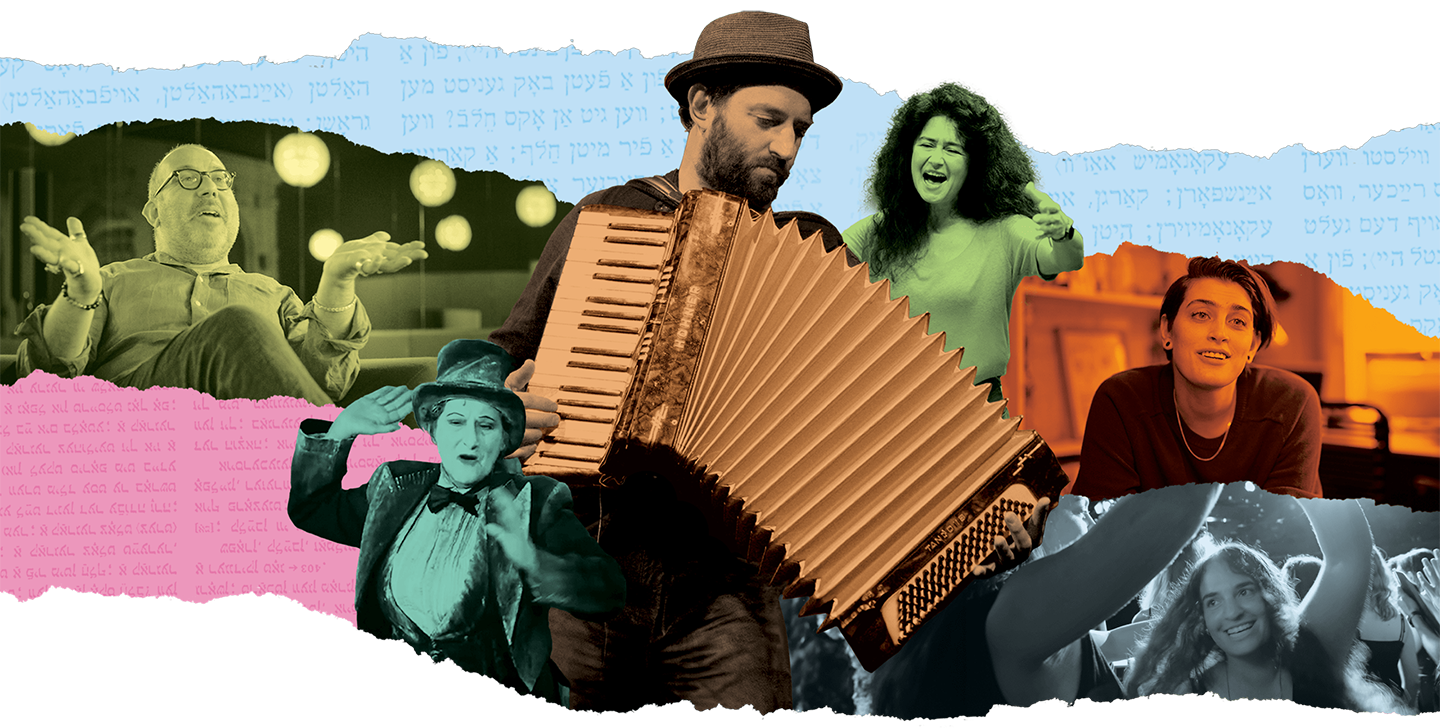
Welcome to Yiddishland (Film Screening)
Welcome to Yiddishland gives us a glimpse of this vibrant world, filled with joyous music and performers from around the globe and reframes our understanding of Jewish culture and identity. If Fiddler on the Roof is all you know of Yiddish culture, you are in for a surprise!

Thursday, 3/26 From 6:30-8pm (Room C1)
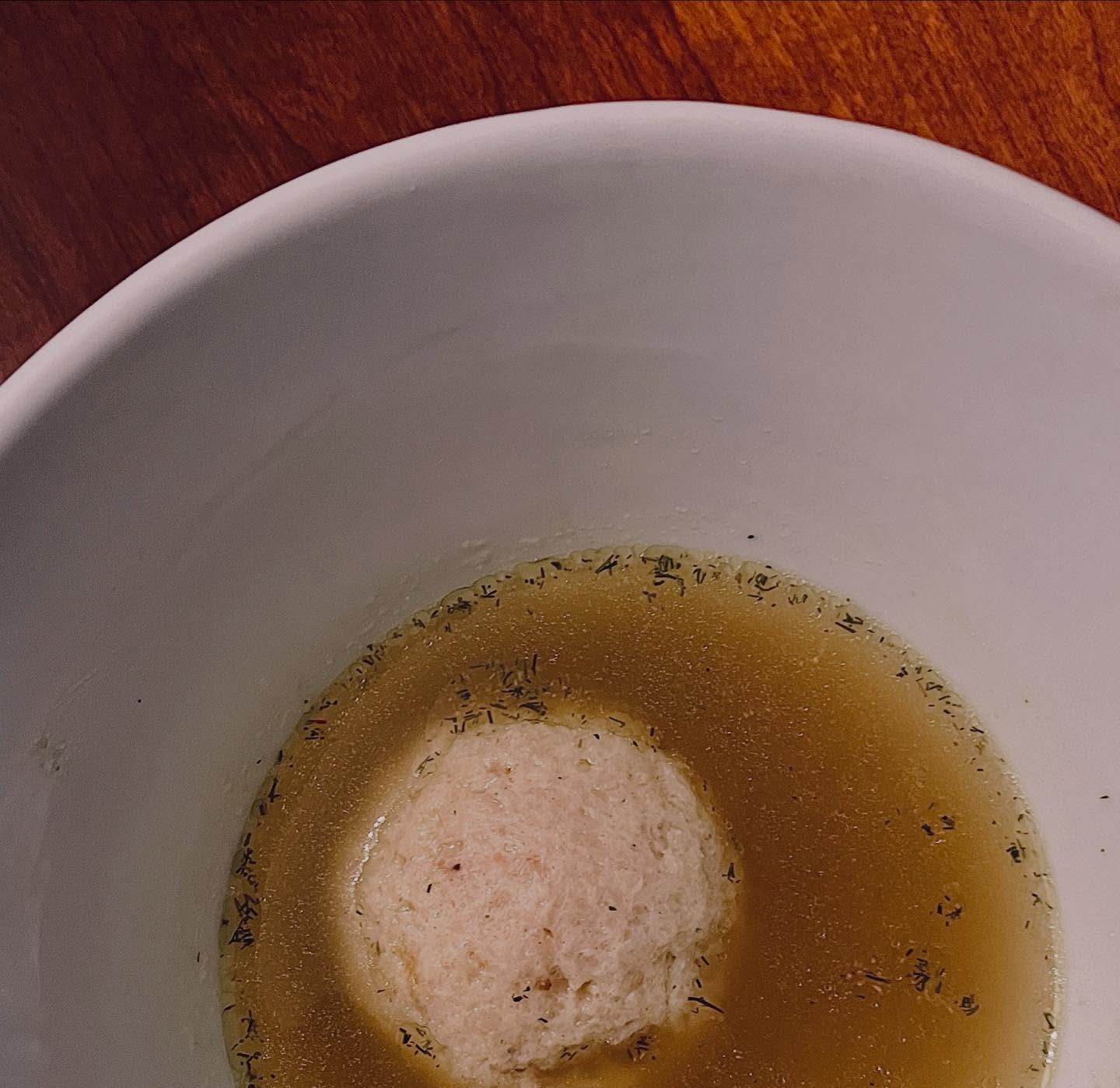
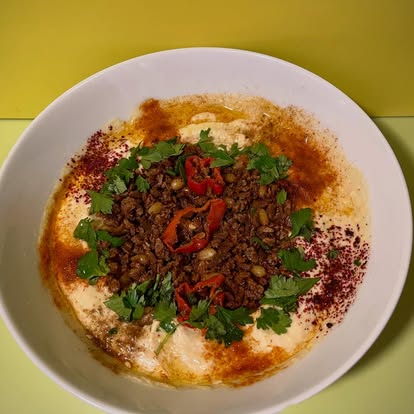
Between Two Worlds: Jewish Food Culture with Tasting menu
Jacob Carr, of Yalla Y'all, brings his knowledge of Jewish foodways in this cultural presentation complete with food demonstrations and a tasting menu. Please register for this event.
Wednesday, 5/6 From 5-6pm (Room J)
Novel Idea Book Discussion: The Zelmanyaners
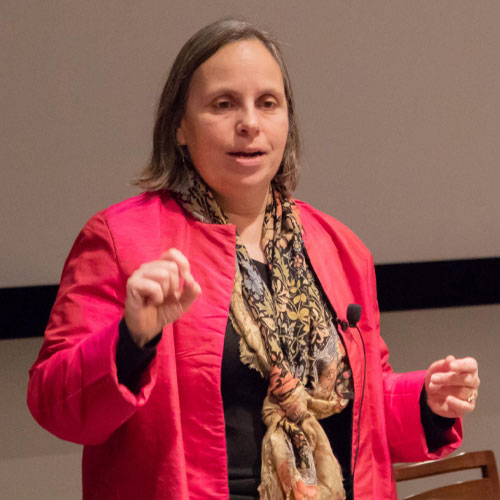 Dr. Petrone, a Professor of history at UK will be discussing The Zelmanyaners by Moyshe Kulback, a comic novel that tells the story of a large family dragged from the countryside by Stalin's government and made to enter the modern world whether they want to or not. They are literally between two worlds yet there is much about them that relates to us all.
Scott County Public Library is selected for The Yiddish Book Center’s Public Libraries Program
Scott County Public Library has been selected as one of 40 libraries nationwide to participate in the Yiddish Book Center’s Public Libraries Program on the theme “Between Two Worlds: Exploring Jewish Culture and Religion through Yiddish Literature.” The books and programs are presented as part of the Yiddish Book Center's Public Libraries Program, a partnership with the American Library Association, and made possible by the Lilly Endowment, Inc."
Book Discussions

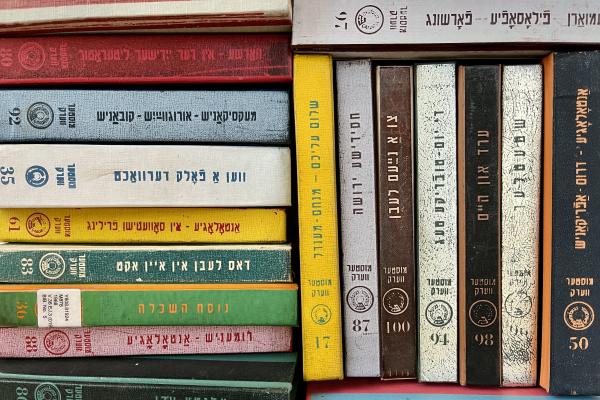
The Yiddish Titles in the Book Discussion
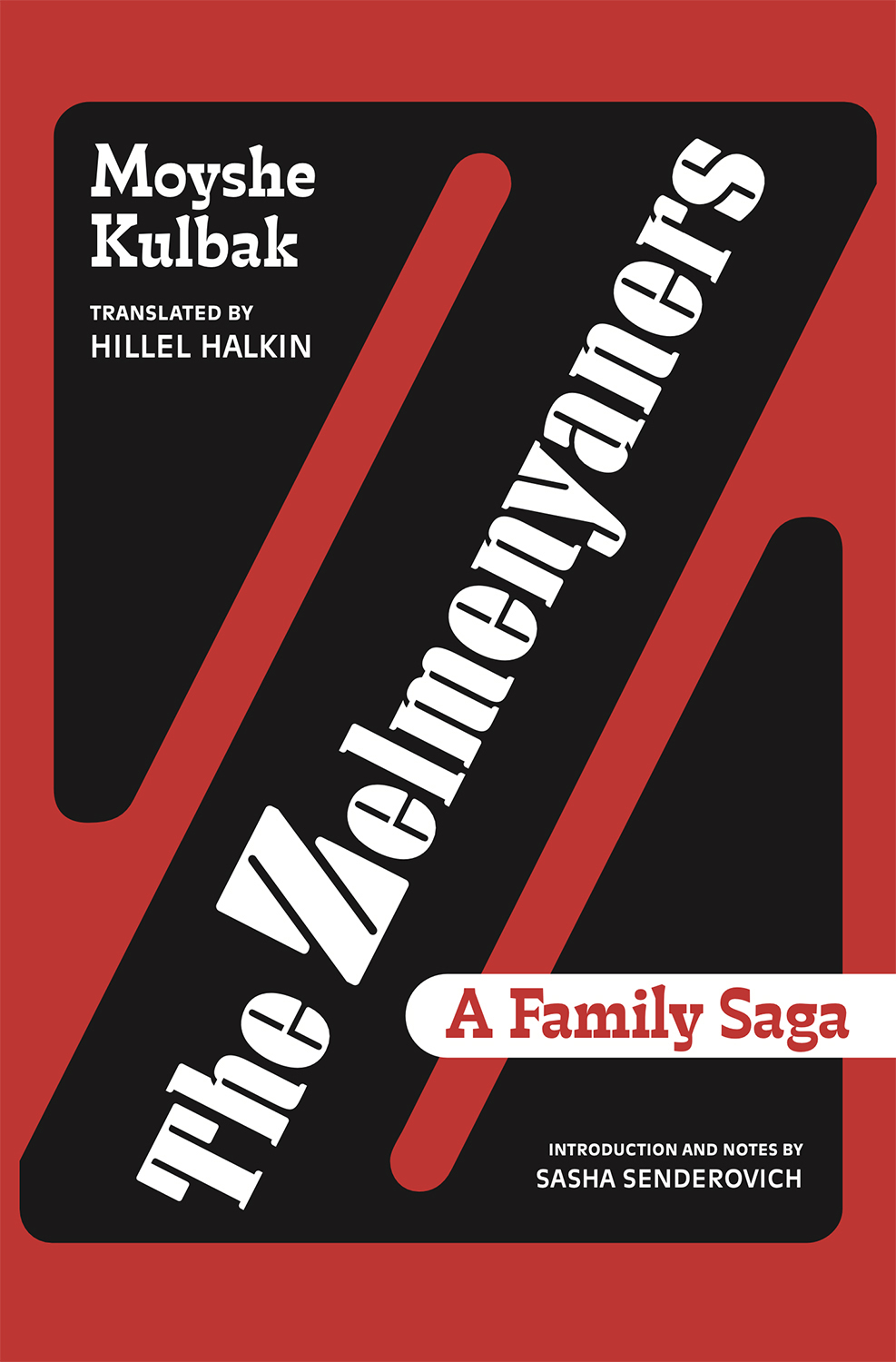
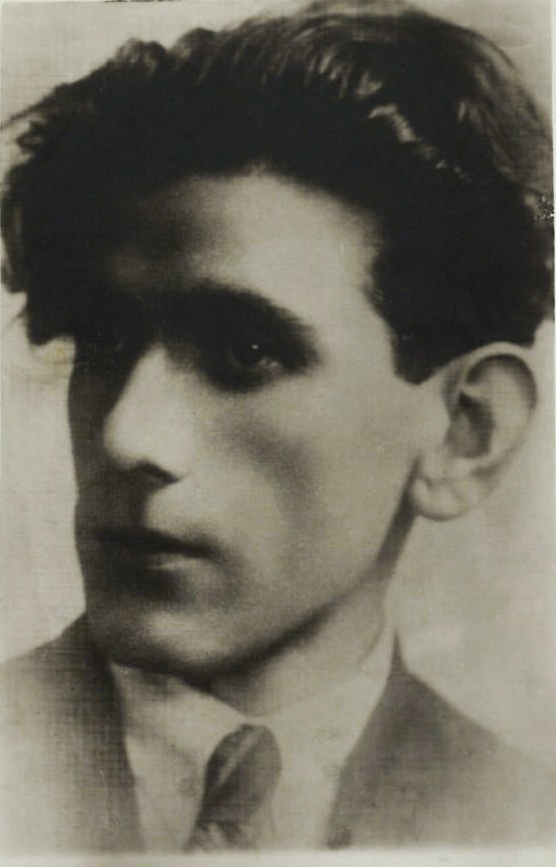
Moyshe Kulbak
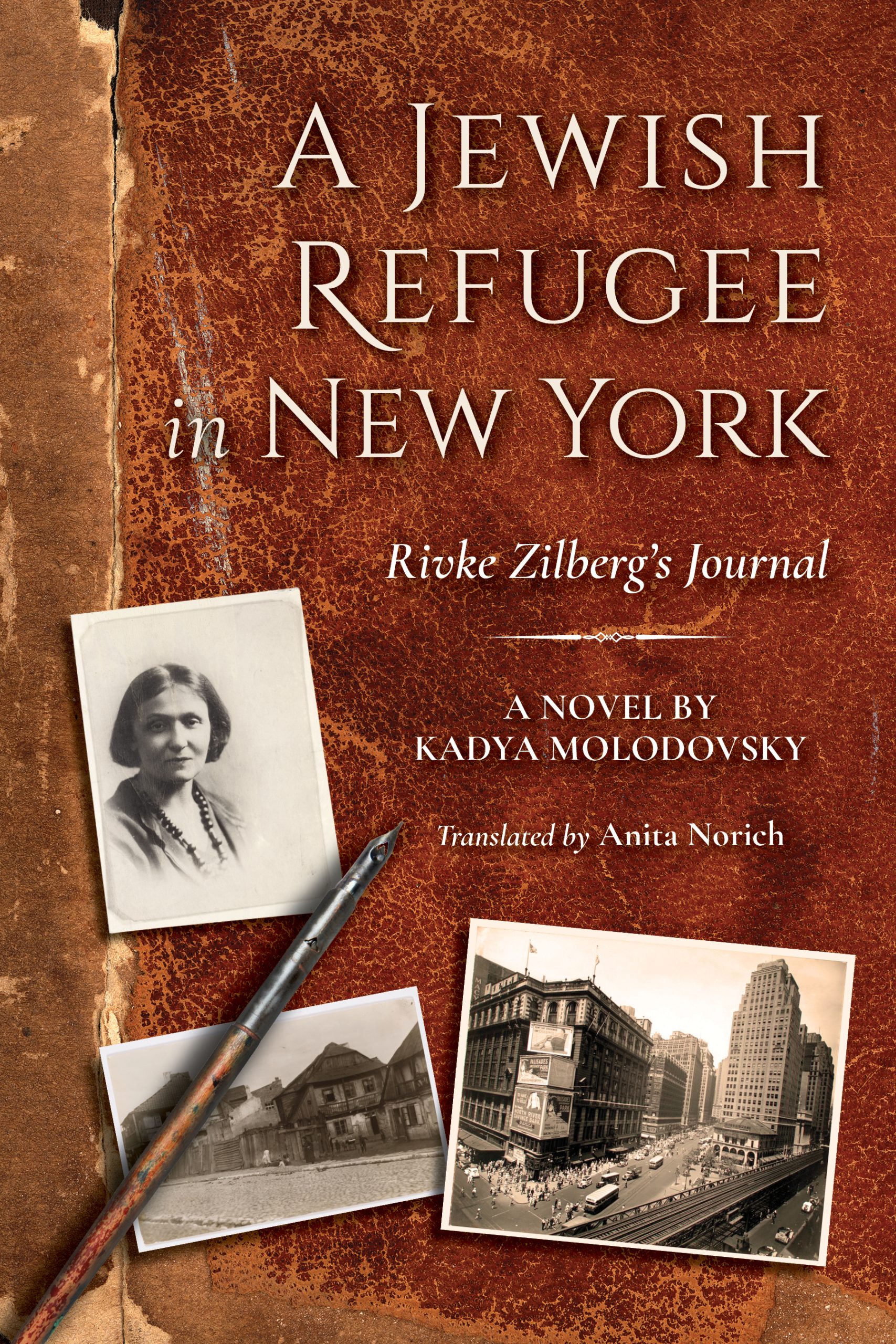
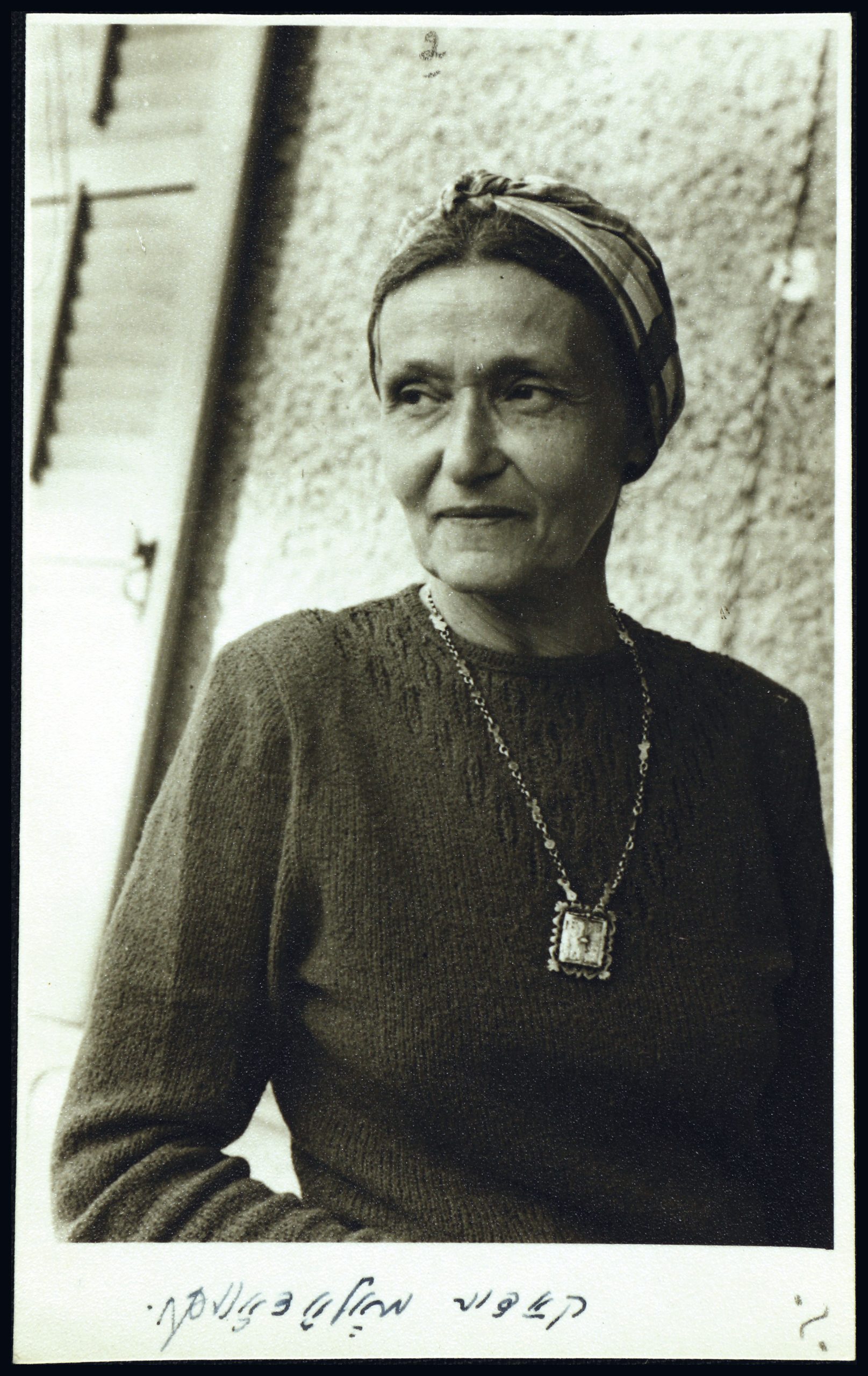
Kadya Molodovsky
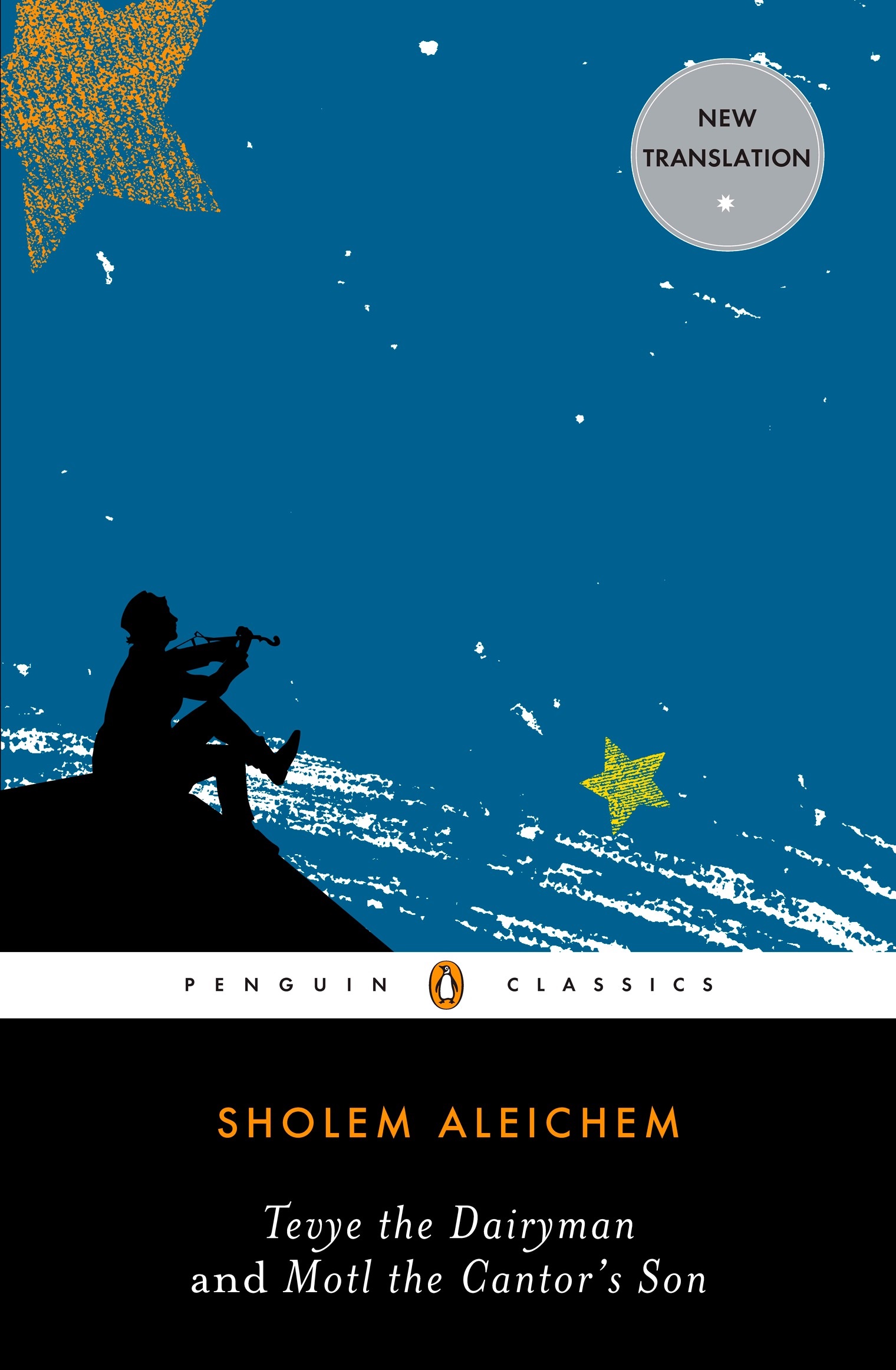
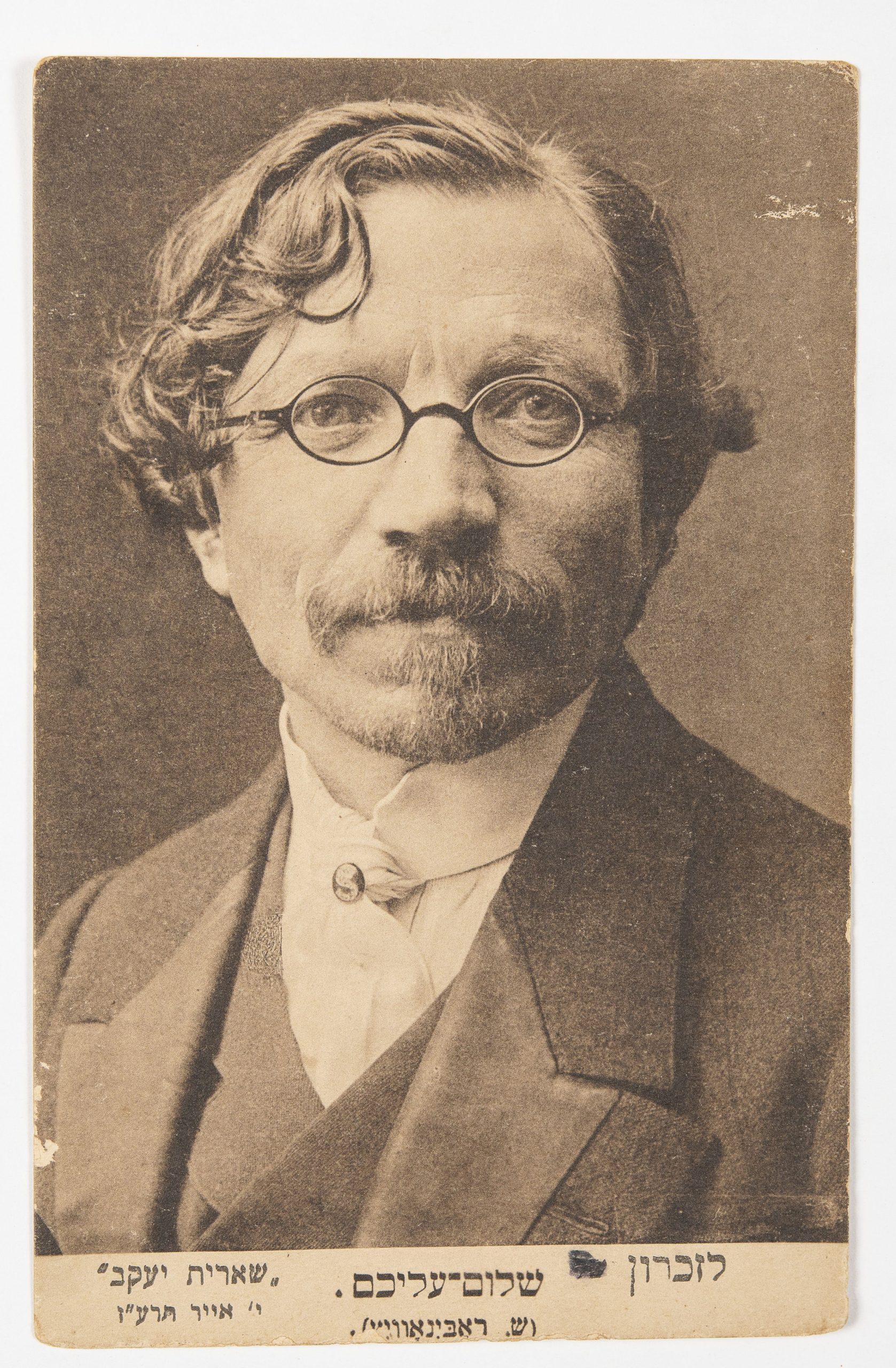
Sholem Aleichem
Book Discussion with Dr. Petrone (May 6, 2026)
Dr. Petrone is Professor of history, an inaugural Director of the Cooperative for the Humanities and Social Sciences at the University of Kentucky, and co-director of the UK-JHF Holocaust Initiative and a specialist in Russian and Soviet History. She brings her expertise to add depth and historical perspective to the discussion of this humorous but thought-provoking novel which explores a family's experience in the early days of Stalin's Russia.
Additional reading resources
authors
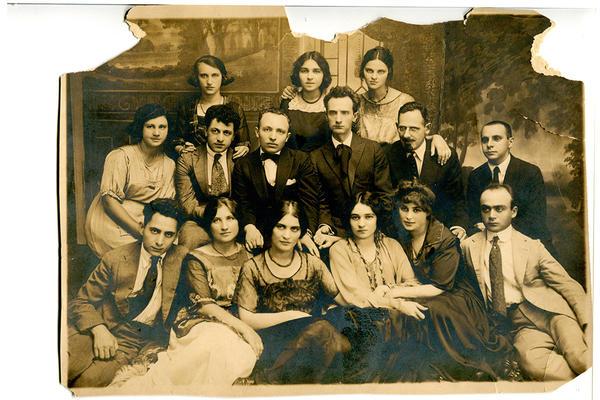
Authors: Kulbak/Molodovsky/Aleichem
Yiddish literature offers a powerful window into Jewish life, faith, humor, and resilience—especially in times of change. Three influential Yiddish writers, Kadya Molodowsky, Sholem Aleichem, and Moyshe Kulbak, each captured the tensions of living between two worlds: tradition and modernity, faith and doubt, homeland and diaspora.
Author: Moyshe Kulbak
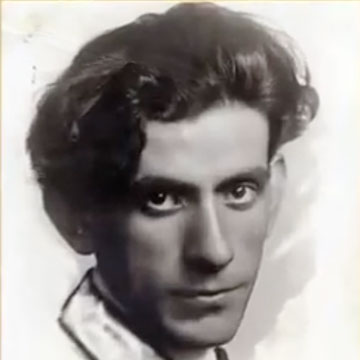
Kadya Molodovsky
The Zelmenyaners
The Zelmenyaners by Moyshe Kulback, a comic novel that tells the story of a large family dragged from the countryside by Stalin's government and made to enter the modern world whether they want to or not. They are literally between two worlds yet there is much about them that relates to us all.
Discussion May 6 @ 5:00 pm (A Novel Idea Book Discussion)
Author: Kadya Molodovsky
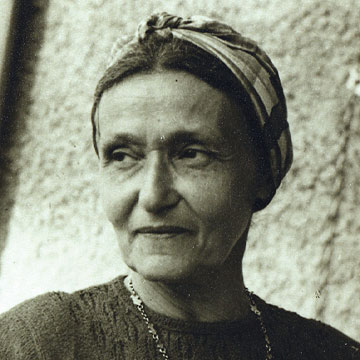
Kadya Molodovsky
A Jewish Refugee in New York
A Jewish Refugee in New York by Kadya Molodowsky, the perspective of one young lady as she navigates a new world in America, learning English, American customs and tries to find true love. It is a fascinating look at our own culture through the fresh eyes of a newcomer.
Discussion July 1 @ 5:00 pm (A Novel Idea Book Discussion)
Author: Sholem Aleichem
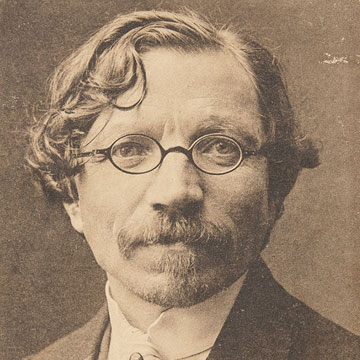
Kadya Molodovsky
Tevye the Dairyman
Tevye the Dairyman by Sholem Aleichem, the final book of our Yiddish series. This is the original story of Tevye and his family, familiar through the musical Fiddler on the Roof but here you will learn the whole story.
Discussion November 4 @ 5:00 pm (A Novel Idea Book Discussion)
Explore more Yiddish literature and cultural history at the Scott County Public Library.
Translators

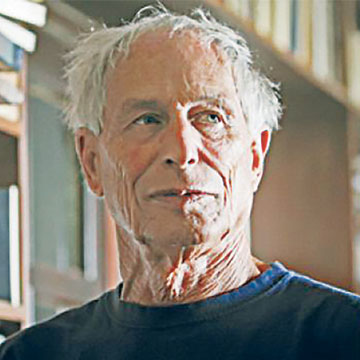
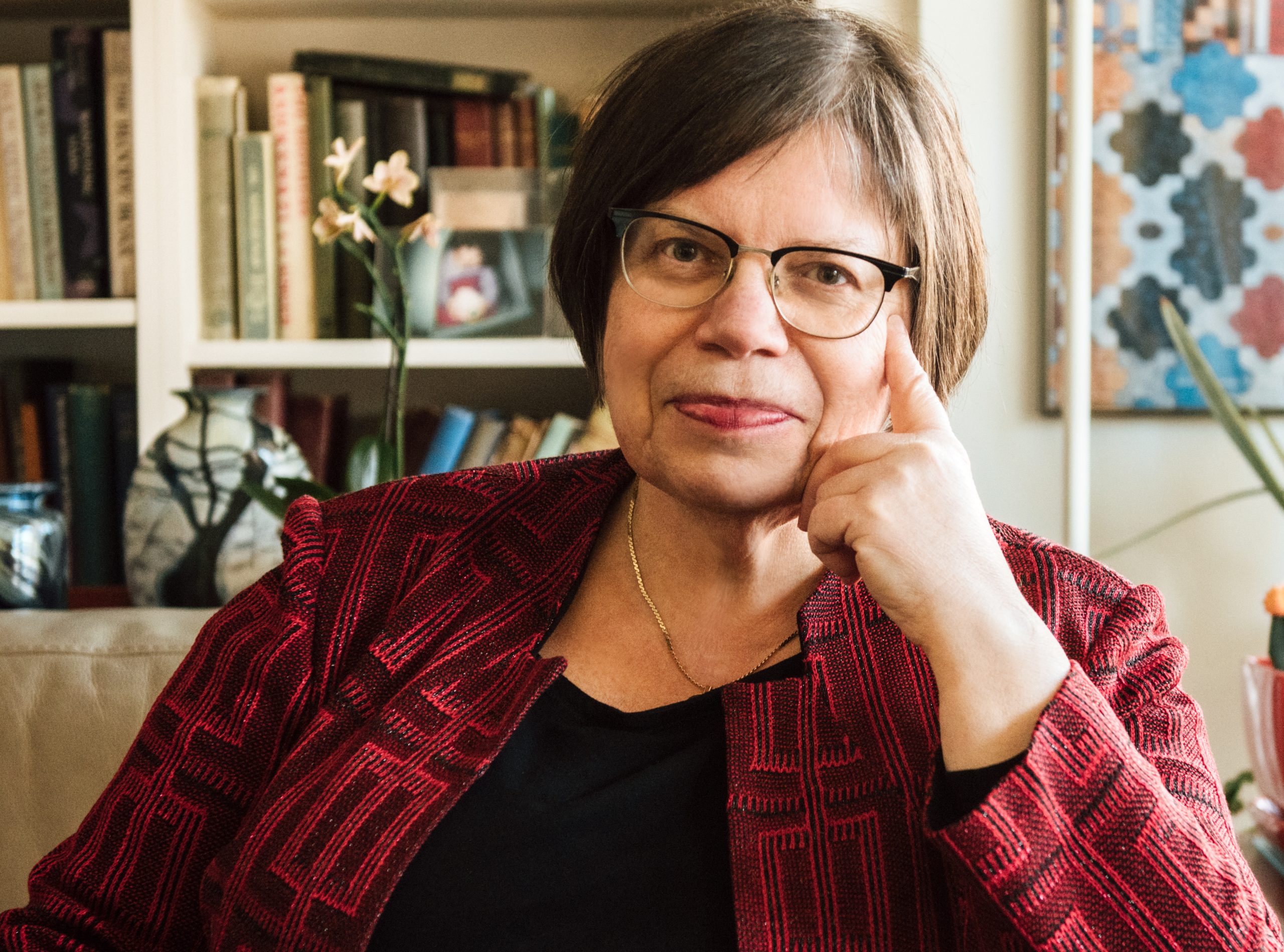
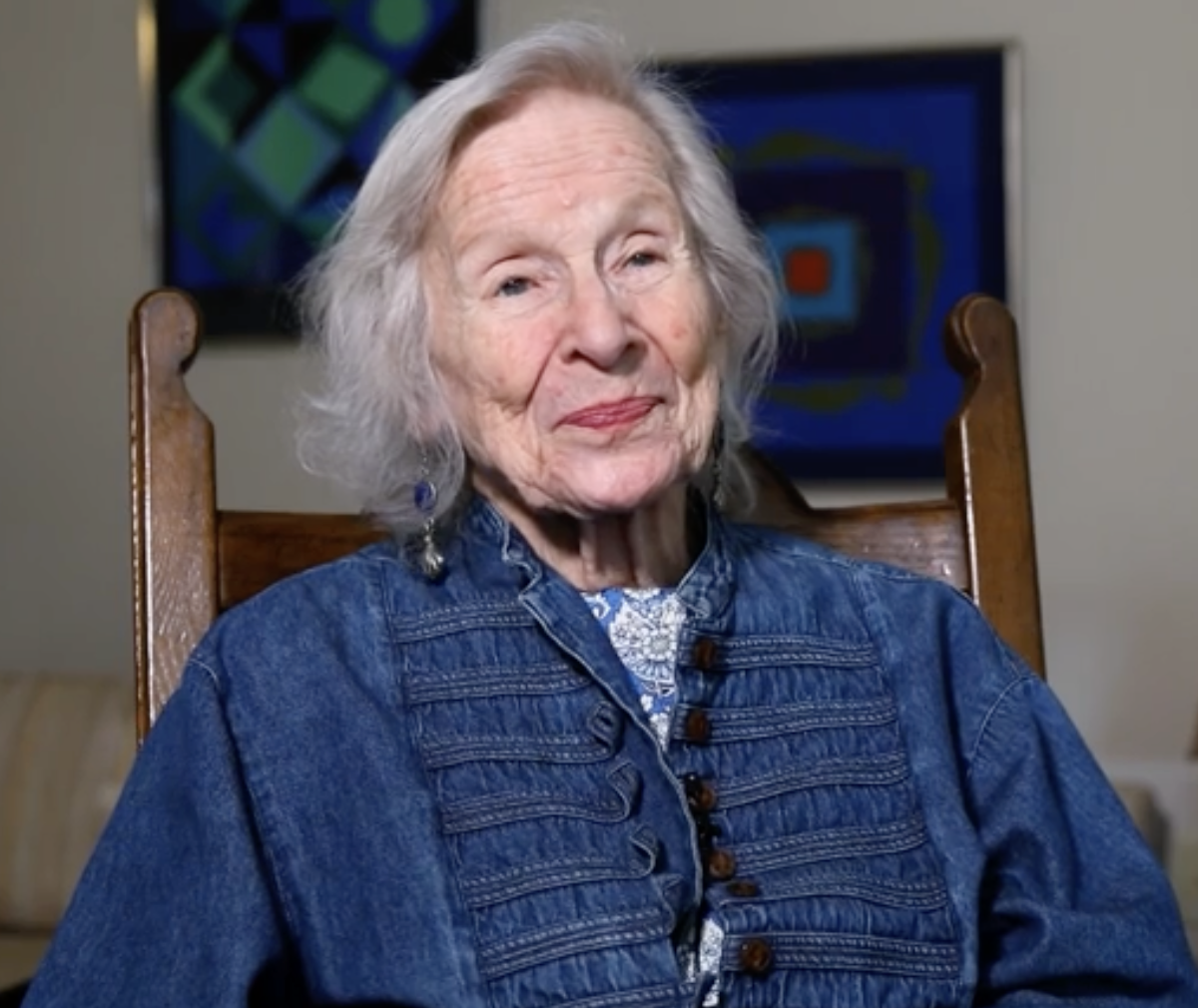
Translators: Halkin/Norich/Shevrin
Yiddish literature carries the voices of Jewish history, belief, humor, and struggle, but for many readers today, those voices are heard through translation. Translators play a vital role in bridging between two worlds: the Yiddish-speaking past and contemporary readers. Hillel Halkin, Anita Norich, and Aliza Shevrin are among the scholars and translators who have helped bring Yiddish literature, culture, and religious life to a wider audience.
Zelmenyaners
Hillel Halkin is widely recognized for his elegant translations that preserve the voice, humor, and emotional depth of Yiddish writers. His work introduces English-language readers to the moral questions, religious traditions, and everyday experiences embedded in Yiddish storytelling, while maintaining the rhythm and spirit of the original language.
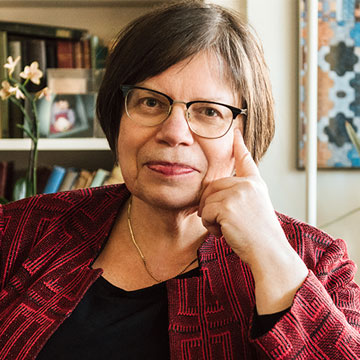
Jewish Refugee in New York
Anita Norich, a leading scholar of Yiddish literature, has shaped how Yiddish texts are studied, translated, and understood today. Through her translations and critical work, she highlights themes of faith, gender, memory, and modern Jewish identity, helping readers see Yiddish literature as both deeply rooted in tradition and boldly innovative.
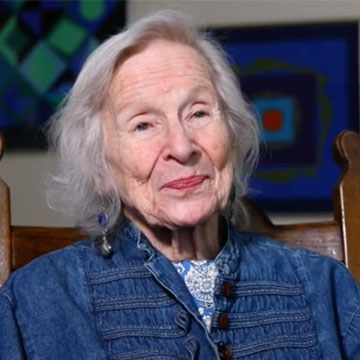
Tevye The Dairyman
Aliza Shevrin brings a contemporary perspective to Yiddish translation, focusing on poetry and prose that explore spirituality, displacement, and cultural survival. Her translations emphasize the emotional and religious nuance of Yiddish texts, allowing modern readers to connect with voices shaped by migration, loss, and resilience.