Youth Services
CLOSED FRIDAY, AUGUST 28
The Library will be closed all day for Staff Development Day
The Library will be closed all day for Staff Development Day
Upcoming Youth Events at SCPL


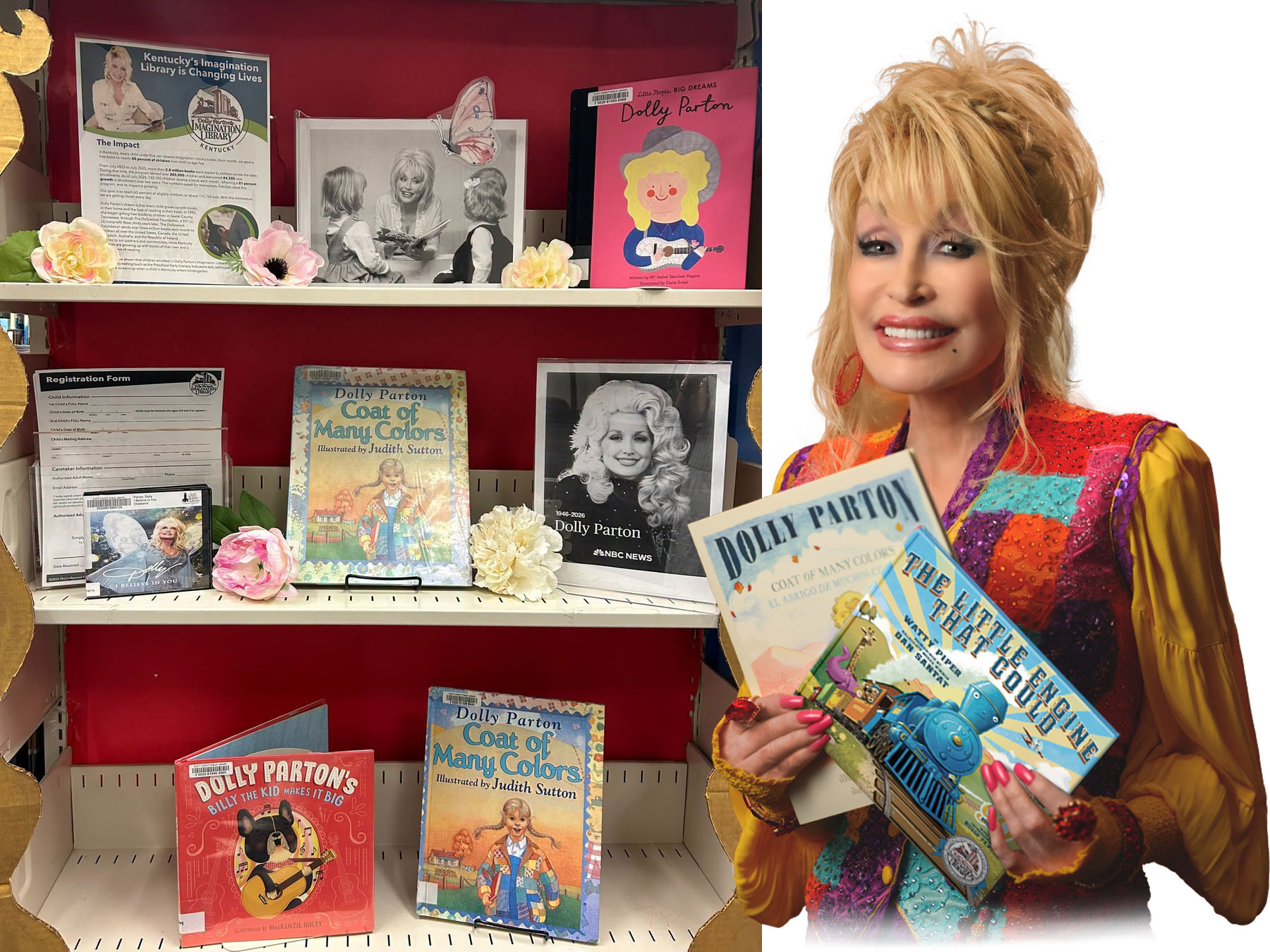
Dolly Parton's Imagination Library
Let’s make sure every Scott County child under five years old is enrolled in Dolly Parton’s Imagination Library.
Online registration is open and easy! https://imaginationlibrary.com/check-availability/
Dolly Parton’s Enduring Legacy of Books and Literacy
Dolly Parton’s Imagination Library was created from her deep belief in the power of reading and inspired by her father’s inability to read and write. What began in 1995 as a program for children in her home county grew into a worldwide effort dedicated to inspiring a lifelong love of books. Today, the Imagination Library provides free books to registered children from birth to age five, with more than 3 million books gifted each month across the United States, Canada, United Kingdom, Australia, and Republic of Ireland. Through the support of Dolly Parton and local community partners, her remarkable commitment to childhood literacy continues to put books into the hands and hearts of millions of children.
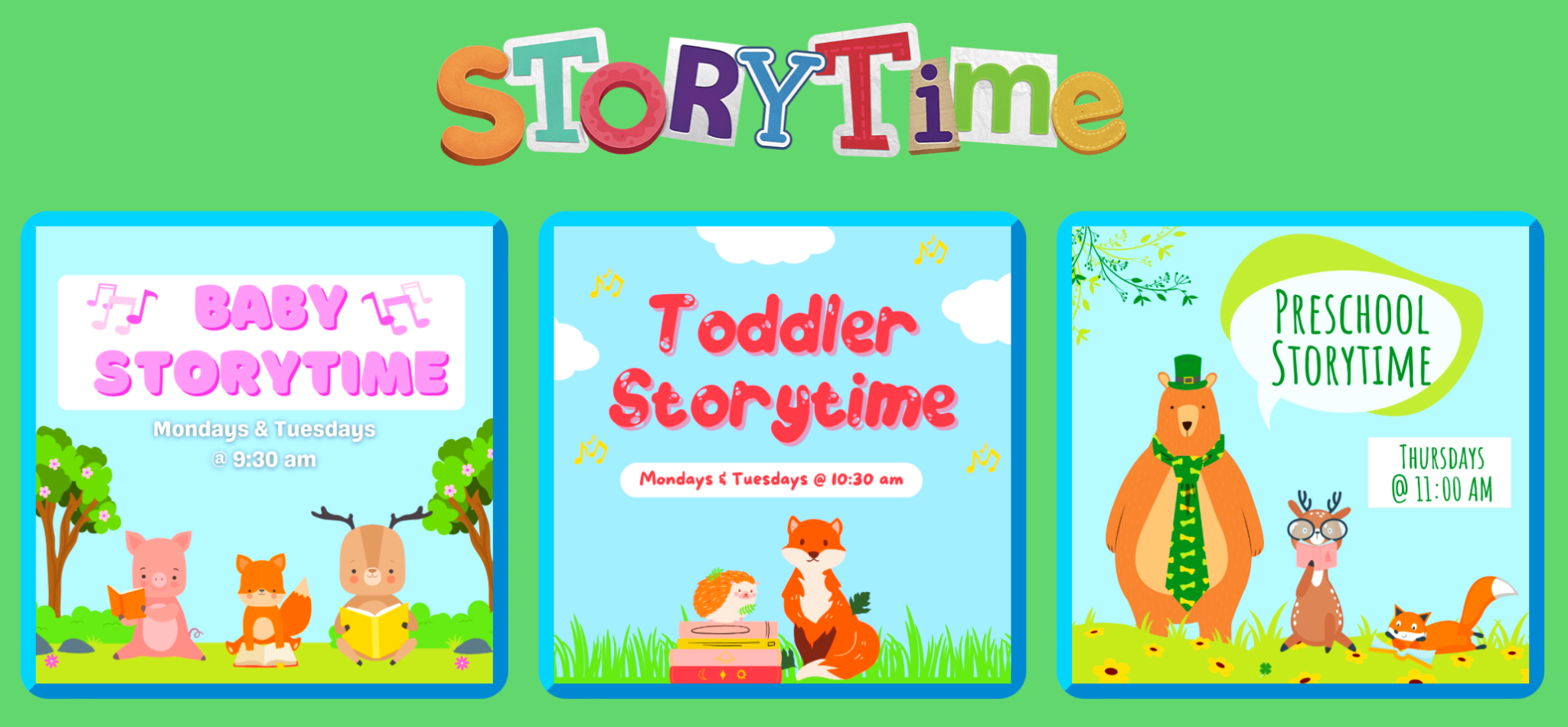
Baby, Toddler & Preschool Storytimes
Storytime at the Scott County Public Library is a joyful way for young children and their caregivers to grow, learn, and connect—together. Our Baby, Toddler, and Preschool Storytimes are thoughtfully designed to support early literacy through stories, songs, movement, and play. Each age-appropriate program helps build language skills, listening, and a lifelong love of books, while also encouraging social interaction and routine.

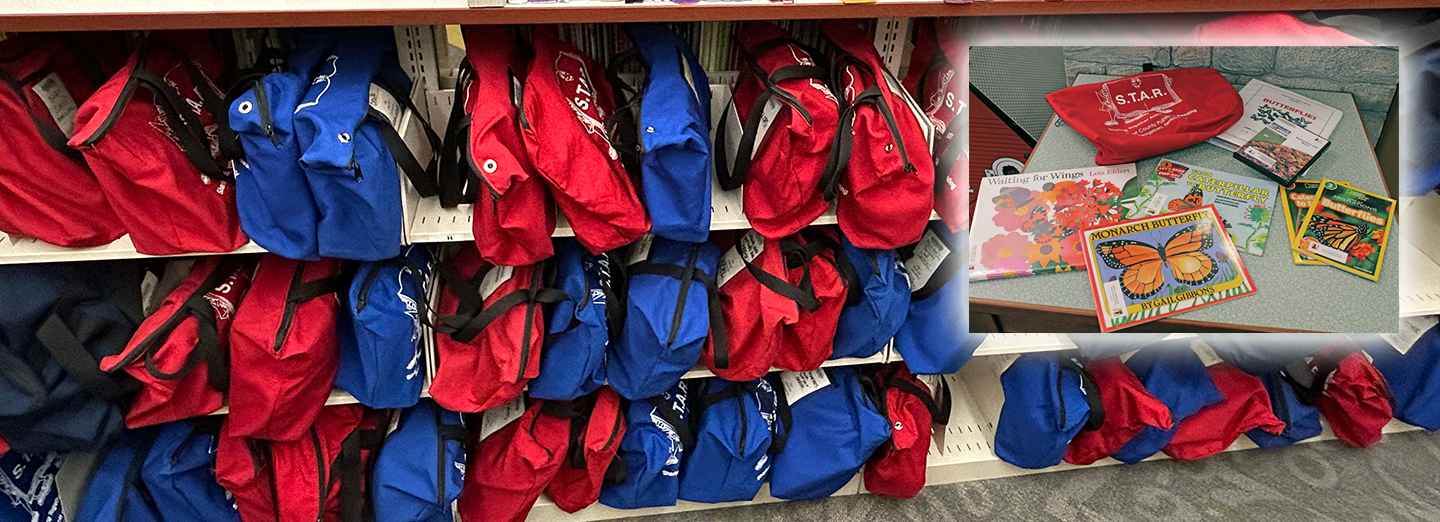
STAR Kits: Explore, Learn, and Discover!

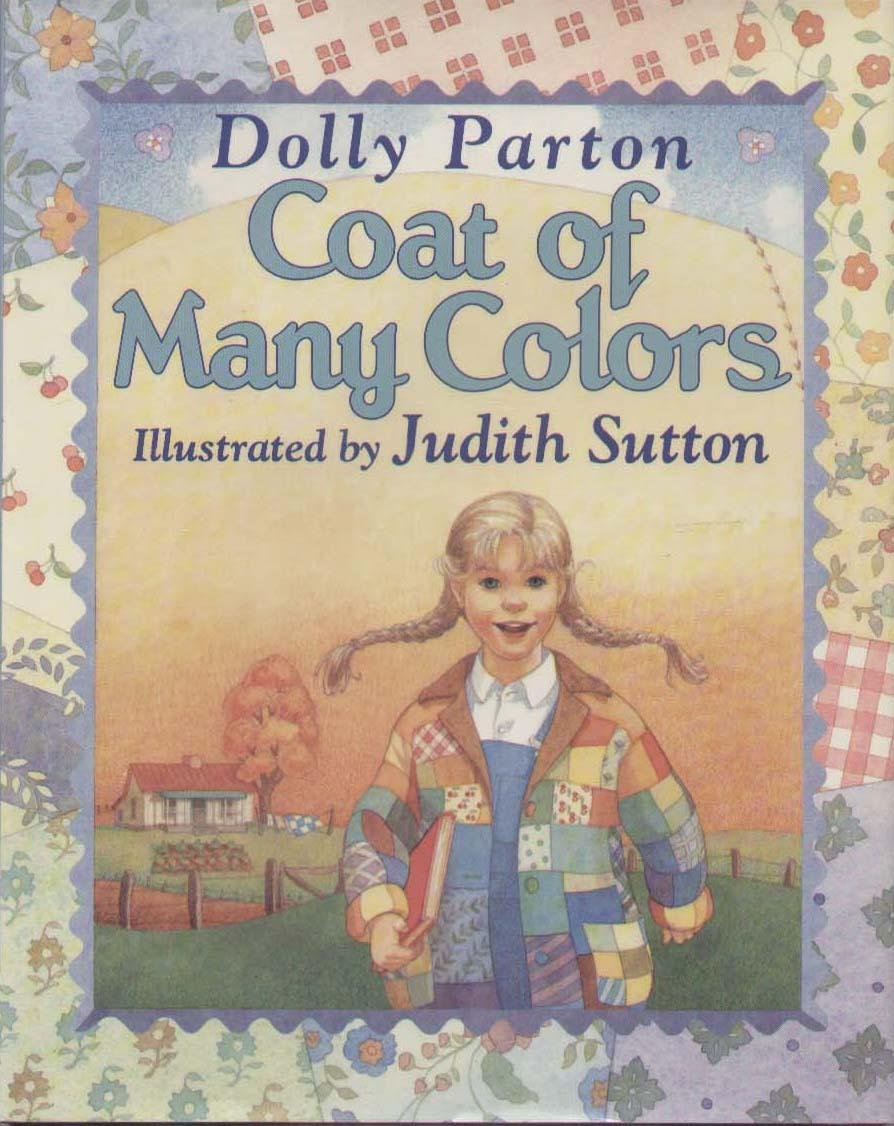
Coat of many colors
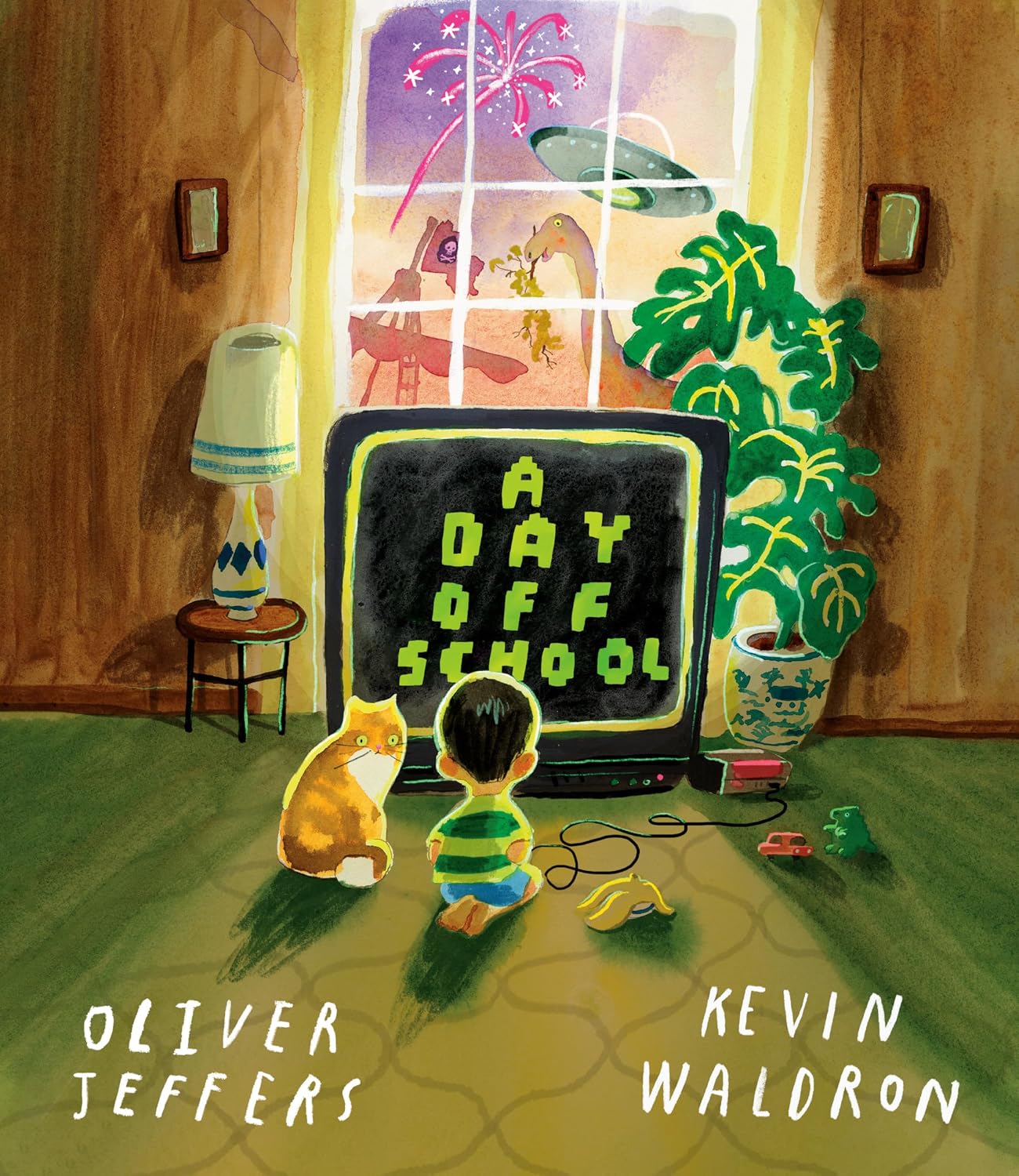
A day off school
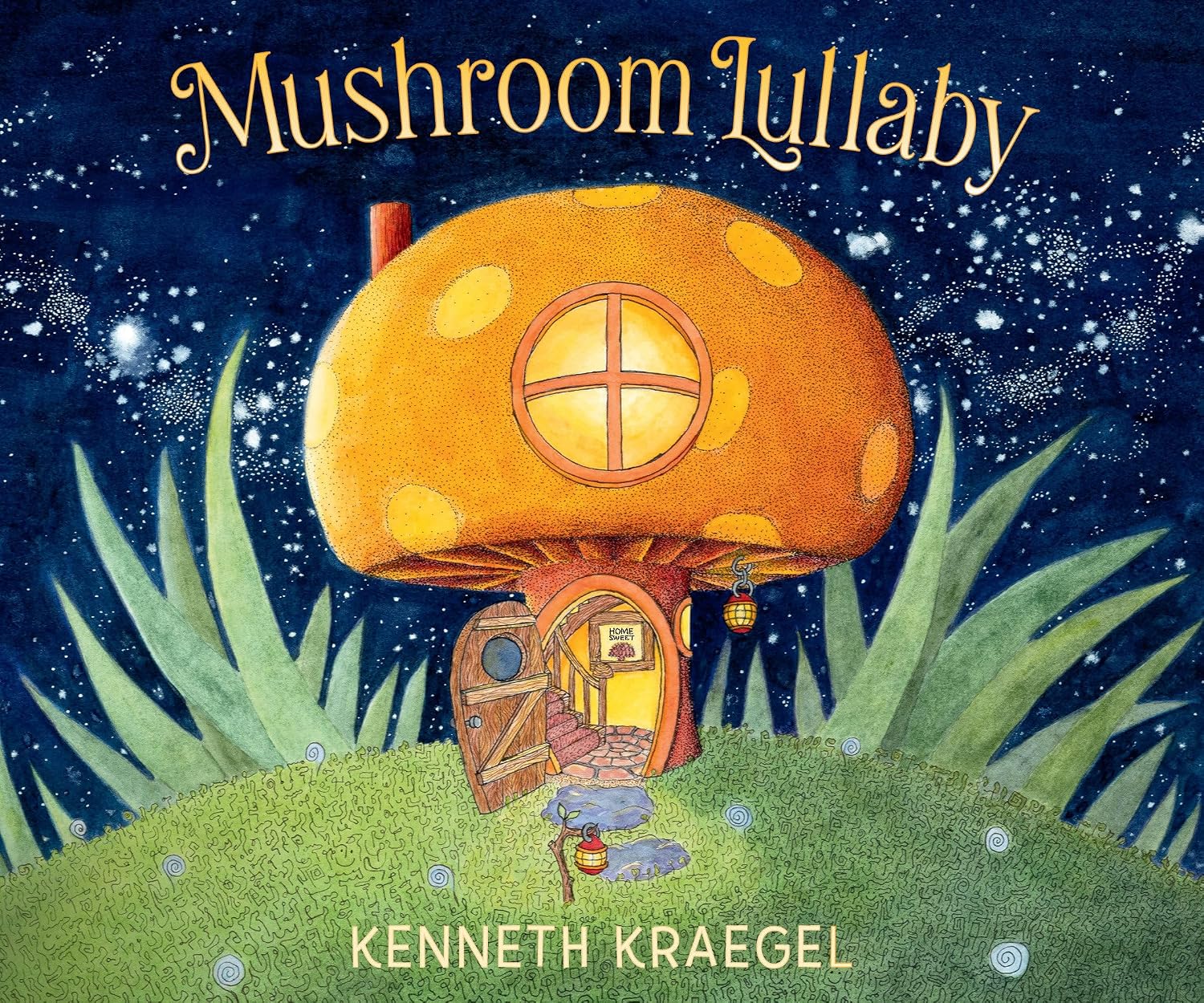
Mushroom lullaby
Dinosaur Yoga
Click on the accordion page to learn more about these youth services
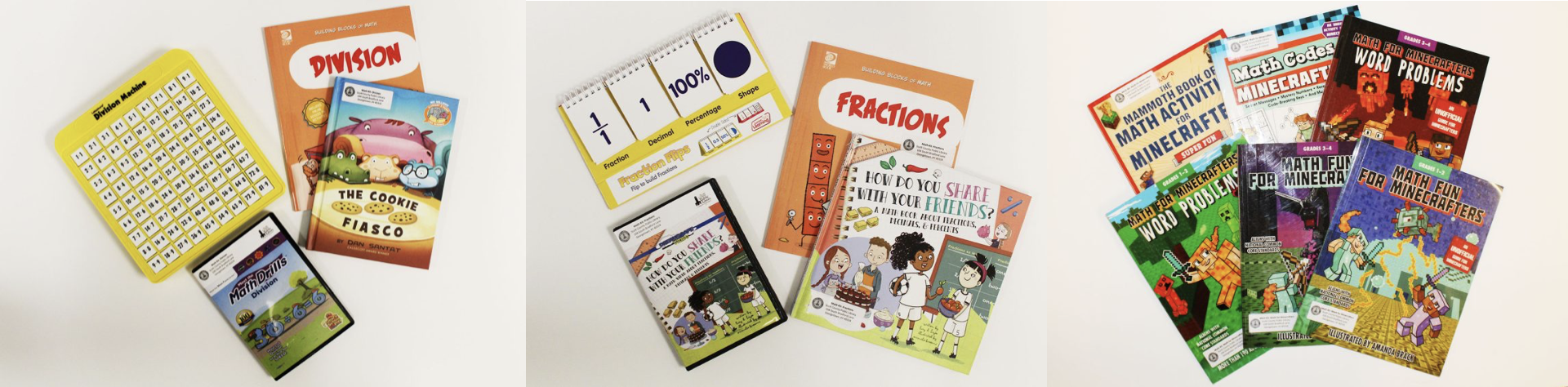
New Math Kits Now Available in the Children's Department!
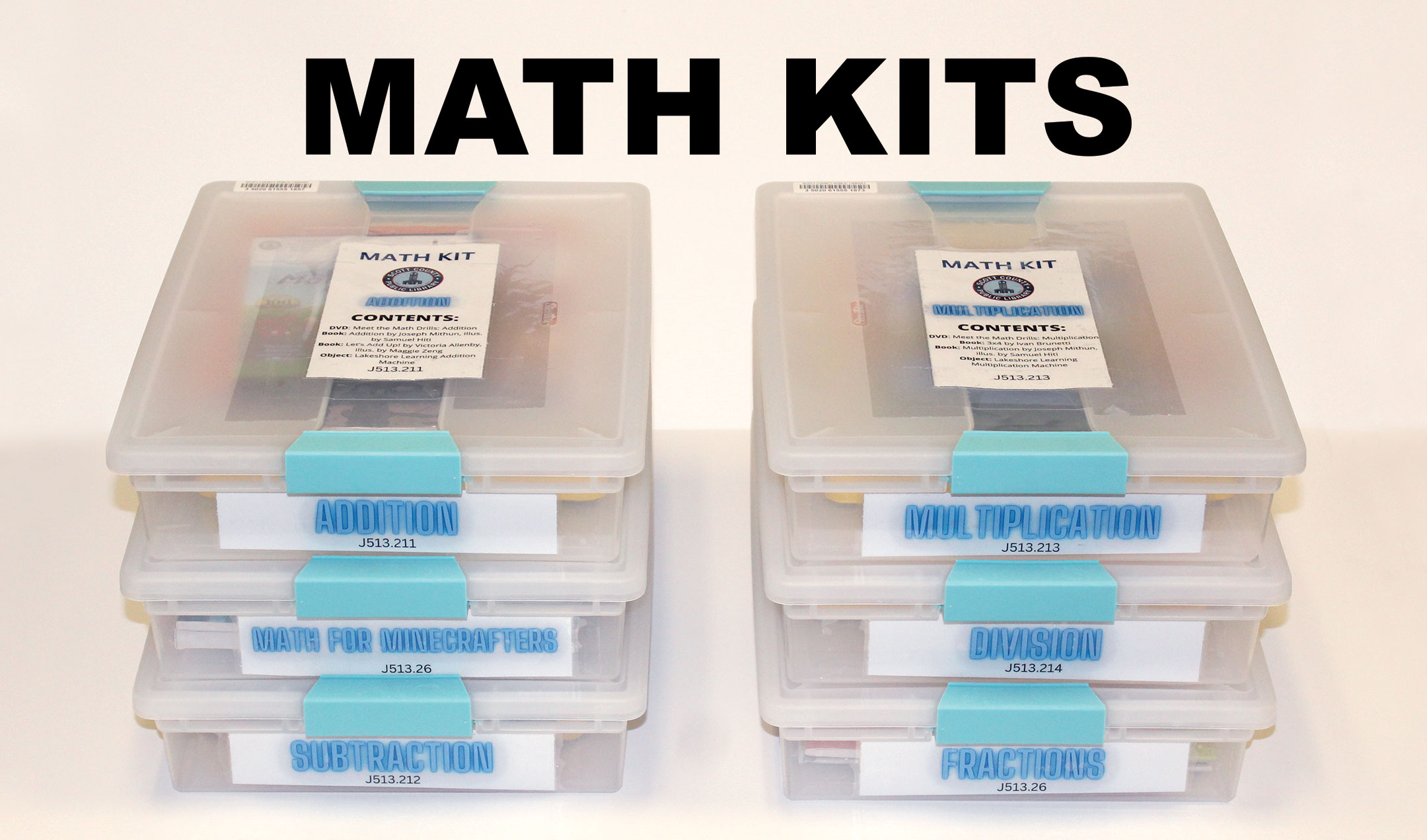
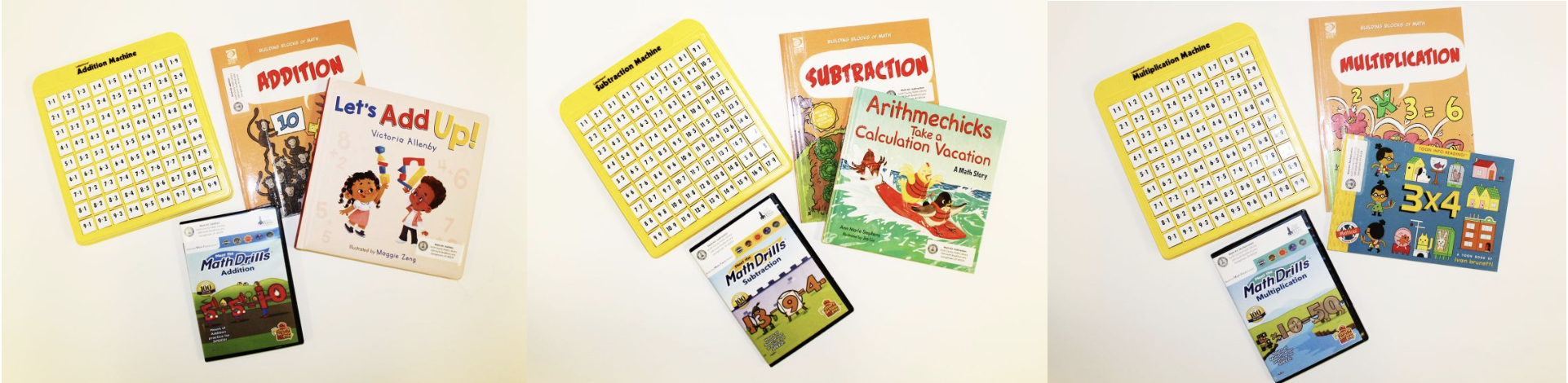
We're excited to announce a brand-new addition to our children's department—Math Kits designed to make learning math fun, interactive, and engaging for young learners!
Each kit is themed around a different foundational math concept, including:
- Addition
- Subtraction
- Multiplication
- Division
- Fractions
- Math for Minecrafters
Whether your child is just starting out with numbers or exploring the world of fractions, there's a kit to match every learning stage and interest. Our Math for Minecrafters kit is especially fun for young fans of the game, combining their favorite virtual world with real-world math skills.
Each kit includes a carefully selected collection of books, dvd and hands-on learning tools designed to reinforce key concepts through play and exploration. These resources are perfect for at-home learning, tutoring, or simply building confidence in math skills.
Grab a kit and start learning math today! Visit the children's department to check one out, and let the math adventures begin!
 We'll highlight topics of interest and share ideas that matter to you and your peers. Join in and let your voice be heard. Tell your friends! Have a blog to share? Send me an email at roseann.polashek@scottpublib.org
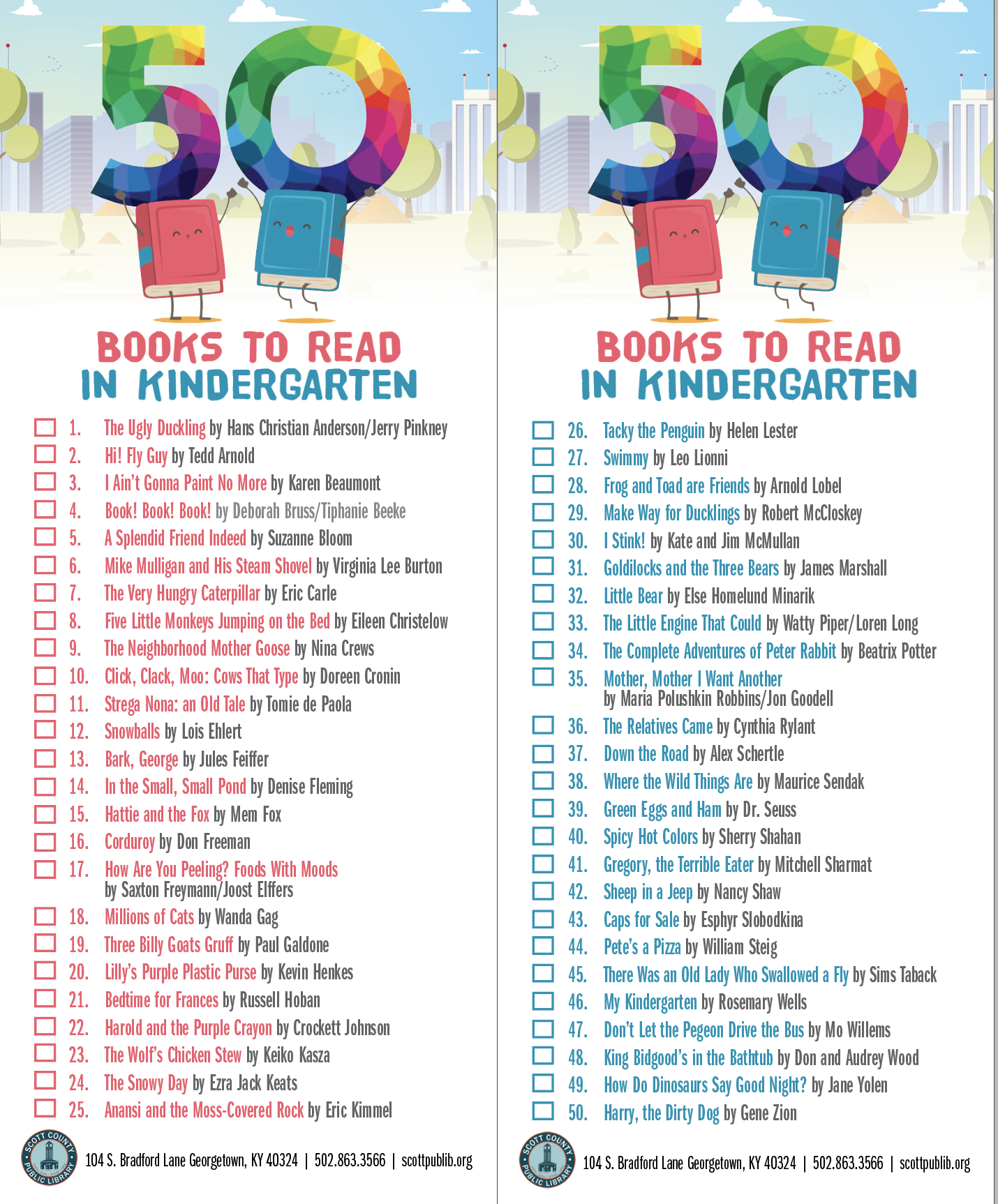
 Start early to get Kindergarten Ready for Fall!
 A Good Day touches on the theme of things that make us sad and how the day can turn around and be good if we just wait and look for good things.
 🎉New Years Reading Resolutions With Your Kids
The start of a new year brings a chance to reflect and set new reading goals with your family. Gearing up for January often brings up conversations about resolutions and self-improvement, but reading offers something different from many other goals we set for ourselves. It doesn’t require any special equipment or strict timelines. Instead, reading invites us to slow down, spend time together, and make space for stories in our everyday routines.
So many common New Year’s resolutions focus on outcomes. How many minutes? How much progress? But reading does not need to be measured to be meaningful. Rather than setting rigid expectations, planning to read together regularly is an invitation to establish reading as a cornerstone of connection within your family, and to meet children where they are as readers.
As you think about reading resolutions for the year ahead, remember that there is no single “right” way to be a reading family. Every household has its own interests and challenges. Keep reading to find ideas for how to talk about reading goals with your kids, how to make reading feel motivating rather than overwhelming, and how the youth services team at Scott County Public Library can support your family’s reading journey throughout the year.
💬Talking About Reading Goals With Kids
It may seem simple, but one of the most effective ways to motivate children to set reading goals is to invite them into the process. When adults set goals for children, those goals can quickly start to feel like chores or expectations to meet. When children help shape their own goals, reading is more likely to feel achievable and meaningful. Instead of presenting reading as a requirement, approach it as a conversation. Talk about your child’s experiences, interests, and preferences when it comes to reading. Open-ended questions can help children reflect on what they already enjoy about reading and imagine what they might like to try next. Questions like these can get the conversation started:
💭What’s one of the most memorable books you’ve ever read?
💭What is your favorite time or place to read?
💭Do you like reading alone, reading together, or a mix of both?
Listening closely to your child’s answers can tell you a lot. You may learn that they love funny books but avoid longer ones, that they concentrate best in the morning, or that they enjoy being read to even if they can read independently. This information can help you choose books, plan reading routines, and set goals that actually fit your child’s life. A conversation might sound something like this:
🧑Caregiver: “I’m reading a really good book about two sisters on an adventure in Africa. Sometimes it’s scary, but I like that! Have you ever read a book like that?”
👶Child: “Not really. I don’t like books that are too scary.”
🧑Caregiver: “That makes sense. What kind of books do you like?”
👶Child: “I like funny ones. Or books about animals.”
🧑Caregiver: “Oh! Do you remember one you really liked?”
👶Child: “The one about the dog who keeps getting into trouble.”
🧑Caregiver: “What if we looked for another funny animal book to read together, or maybe listened to one as an audiobook in the car?”
👶Child: “That could be fun. Especially if it’s funny.”
From conversations like this, reading goals can grow naturally. Instead of focusing on what a child shouldread, you’re building goals around what they already enjoy and what feels realistic for your family.
For younger children, goals might be simple: reading one book every night before bed, or visiting the library once a week to pick out new stories. For older kids, goals can become more personalized. Try challenging them to finish a favorite series, explore a new genre, or choose one bigger book to work through over a longer period of time.
👪Why Reading Together Matters
It’s important to remember that reading goals aren’t about speed, levels, or difficulty. Graphic novels, audiobooks, picture books, and rereads all count. What matters most is showing children that their interests matter and that reading is something your family values and enjoys doing together.
🎲Making Reading Feel Like a Game
An easy way to inspire and motivate children to build daily reading habits it to gamify reading. Make it fun! Gamifying reading doesn’t mean turning it into a competition, it means adding creativity, choice, and small rewards that keep kids motivated.
Reading challenges are a simple way to do this. They give kids a starting point when they’re stuck in the familiar “But I don’t know what to read!” loop, and encourage them to explore books they might not have chosen on their own. Start by choosing a timeframe and a challenge. You might try one challenge each month, rotate them by season, or pick a single challenge to work on all year long. Some families enjoy planning all their challenges in advance, while others might like the element of surprise. Try writing challenges on slips of paper or popsicle sticks, placing them in a jar, and drawing a new one at random.
Family-Friendly Reading Challenges
📗Read a book set in each season of the year
📗Read one book recommended by a librarian
📗Read a book that was published the year you were born
📗Read a book with an animal as a main character
📗Read a book from a genre you’ve never tried before
📗Read a book by a local or regional author
📗Read a book with pictures on every page
📗Read a book that has been turned into a movie or TV show
👀Visual Trackers
Visual trackers are another powerful tool for building strong reading habits. They act as both a reminder and a motivator by keeping reading visible in your home. Creating one together can be part of the fun! A reading chart might be as simple as a piece of paper taped to the refrigerator where your child adds a checkmark or star for each day they read. A sticker board works the same way, with one sticker per book or reading session.
Family reading bingo cards add an extra layer of choice. Create a grid filled with prompts like “read outside,” “read a book with 10 or more chapters,” or “read out loud to someone else.” Each completed square helps your family feel accomplished and motivated, and filling the entire card can be its own reward. Paper chainsare another easy option: cut strips of paper and connect one link for each book finished or each day spent reading. Watching the chain grow longer over time makes progress tangible.
There’s a reason these tools work so well. Research shows that visual reminders help reinforce habits by reducing the amount of mental effort required to remember what we intend to do. Seeing progress activates motivation and provides a sense of accomplishment, which can be especially helpful for children and for neurodivergent readers who may struggle with memory, starting or switching tasks, and awareness of time. When progress is visible, reading becomes something concrete rather than abstract, which can make all the difference.
🔢Choice-Based Rewards
When it comes to rewards, small and meaningful is often better than big and flashy. Instead of prizes tied to speed or the number of books read, consider rewards connected to participation and choice. These types of rewards reinforce the idea that reading itself is valuable, not just the outcome. For example, a child who completes a reading challenge might get to choose the next family read-aloud or pick out a special bookmark.
📚Books Families Can Enjoy Together
Choosing the right book can make a big difference in how successful (and how enjoyable) family reading time feels. A good shared read is one that everyone is interested in and invites conversation. When a book connects with both children and adults, reading together becomes something families look forward torather than something to squeeze in.
It can help to think beyond reading level and focus instead on tone, pacing, and themes. Short chapters, strong characters, humor, and emotional resonance all make books easier to share aloud. Picture books are not “just for little kids,” and longer chapter books don’t need to be finished quickly to be meaningful. It’s okay to abandon a book that isn’t working and try something new. In fact, modeling that flexibility shows children that reading is about enjoyment and curiosity, not obligation.
📘Picture Books
- The Couch Potato by Jory John and Pete Oswald
- What We’ll Build by Oliver Jeffers
- The Big Umbrella by Amy June Bates
- Eyes That Kiss in the Corners by Joanna Ho
- Change Sings by Amanda Gorman
- The Rabbit Listened by Cori Doerrfeld
📘Early Chapter Books
- The Wild Robot by Peter Brown
- Mercy Watson To The Rescue by Kate DiCamillo
- Zoey and Sassafras: Dragons and Marshmallows by Asia Citro
- Narwhal: Unicorn of the Sea by Ben Clanton
- Owl Diaries: Eva’s Treetop Festival by Rebecca Elliott
- The Princess in Black by Shannon and Dean Hale
📘Middle Grade Reads
- Charlotte’s Web by E. B. White
- Because of Winn-Dixie by Kate DiCamillo
- The One and Only Ivan by Katherine Applegate
- Front Desk by Kelly Yang
- Wonder by R. J. Palacio
- The Miraculous Journey of Edward Tulane by Kate DiCamillo
🤝Let the Library Be Your Partner
When families share books, children develop language skills, empathy, confidence, and form positive associations with reading that can last a lifetime. A shared story can spark questions about the world and create memories that children carry with them long after the book is finished.
If you’re not sure where to start or if your reading routine needs a total reset, you don’t have to figure it out alone. The library is here to help you experiment, adjust, and discover what works for your family.Youth services staff can recommend books based on your child’s interests, help you find read-aloud favorites, and connect you to reading challenges and programs throughout the year.
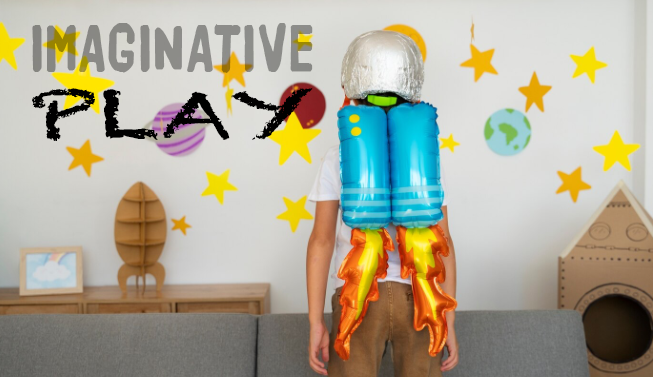
The Magic of Imaginative Play for Toddlers
Picture this: a toddler toddles (as toddlers do) into the library, wearing a superhero cape, a firefighter hat, and rain boots on the wrong feet. They grab a stack of picture books and declare the reading nook their “castle.” If you’ve spent any time around toddlers, you’ve likely seen these small, enthusiastic humans diving headfirst into the world of make-believe. Working in the youth department of a public library, I’ve been lucky to witness countless moments like this, and let me tell you, they’re as educational as they are adorable.
Imaginative play—sometimes called pretend play or playing make-believe—is one of the most important activities for toddlers. It’s more than just fun (though it’s definitely that, too); imaginative play is a powerhouse for brain development and skill-building.
What Is Imaginative Play?
Imaginative play happens when children use their creativity to create scenarios, roles, or stories that go beyond the here and now. It’s when a block becomes a phone, a cardboard box turns into a spaceship, or a toddler insists they’re a dragon. This kind of play is often spontaneous and child-driven, and it can involve everything from role-playing and storytelling to creating imaginary friends.
It might look like chaos to the untrained eye—a pile of toys on the floor, a toddler talking to themselves, and crayons scattered everywhere—but it’s actually a highly organized and meaningful activity happening inside their little heads.
How Imaginative Play Helps the Growing Brain
The toddler brain is a busy place, rapidly building connections and absorbing the world like a sponge. Imaginative play is like the workout program for their developing brain. Here’s how it helps:
- Boosts Cognitive Development
Pretend play requires toddlers to think abstractly and problem-solve. If they’re pretending to run a grocery store, they’re figuring out what “food” they need, how to “sell” it, and how to handle that very angry stuffed bear customer. - Fosters Language and Communication Skills
In their make-believe worlds, toddlers are constantly talking—to themselves, to their toys, to you if you’re lucky. This chatter helps expand their vocabulary and teaches them the basics of storytelling and conversation. - Encourages Social-Emotional Learning
When toddlers pretend to be someone else (a parent, a doctor, a pirate), they’re practicing empathy. They’re exploring different perspectives, learning to identify feelings, and working through social scenarios in a safe and playful way. - Develops Fine and Gross Motor Skills
From building block towers to wielding imaginary swords, pretend play involves both big and small movements. These actions help toddlers improve their coordination and motor skills. - Stimulates Creativity and Imagination
Of course, one of the biggest benefits is in the name itself: imaginative play helps toddlers develop creativity. This kind of thinking will serve them well throughout their lives, whether they become artists, engineers, or… superheroes.
How to Encourage Imaginative Play at Home
The beauty of imaginative play is that it doesn’t require fancy toys or elaborate setups. Here are some simple ways to foster creativity at home:
- Create Open-Ended Play Spaces
Designate a corner of your home for play, filled with items that can be used in multiple ways. Think blocks, scarves, cardboard boxes, and dolls. - Provide Dress-Up Clothes
Raid your closet or hit the thrift store for costumes, hats, and accessories. A pirate hat and a princess tiara can spark hours of fun. - Join the Fun
Get down on their level and play along. Be the customer in their imaginary restaurant or the patient in their pretend doctor’s office. - Limit Screen Time
Screens can stifle creativity, so try to limit them during playtime. Encourage your toddler to come up with their own stories instead. - Use Books as Inspiration
After reading a story together, encourage your child to act it out or create a sequel. Books are an incredible springboard for imagination.
Recommended Books About Imaginative Play
Here are some toddler-friendly books to inspire make-believe adventures:
Fiction
- "Not a Box" by Antoinette Portis A bunny shows us all the magical things a simple box can become.
- "Pete’s a Pizza" by William Steig Pete’s parents turn him into a pizza for some silly fun.
- "Where the Wild Things Are" by Maurice Sendak Max’s imagination takes him on a wild journey.
Non-Fiction
- "Rainy Day Play!" by Nancy F. Castaldo A guide for parents and toddlers to spark creative indoor play.
- "Creating Clever Castles & Cars (from Boxes and Other Stuff)" by Mari Ruiz Mitchell A book full of ideas for creating something out of “nothing” that inspires kids to stretch their minds and think outside the box.
Imaginative Play at the Library
Public libraries are treasure troves for imaginative play. Here are some ways Scott County Public Library can support your toddler’s creativity:
- Storytime Programs
We offer interactive storytimes that include songs, rhymes, and imaginative activities for children of all ages. Our Baby storytimes are on Monday and Tuesdays from 9:30 AM – 10:00 AM, our Toddler storytimes are on Mondays and Tuesdays from 10:30 AM – 11:15 AM, and our Preschool storytimes are on Thursdays from 11:00 AM to 12:00 PM. No registration required! Find out more in our calendar. - Play Areas
Our library has a constantly changing collection of imaginative toys out for children to enjoy. From a cardboard castle with a moat and a ferocious dragon, to a rocketship tent with space helmets and more, there’s always tons of creative fun to be had at the Scott County Public Library. - Book Suggestions
Librarians can recommend books tailored to your child’s interests. If your toddler is currently obsessed with construction vehicles, we’ve got you covered! Dinosaurs? Volcanoes? Presidents? Carnivorous animals? No matter what you and your child want to read about, we’ve got the perfect books for you. - Take-Home Kits
Scott County Public Library has tons of experience kits available for checkout, for both adults and children! For toddlers, our S.T.A.R. kits are perfect for exploring subjects from dental hygiene, to grief, to vampires, and more! Each kit includes several books, a manipulative (like a stuffed animal, or small model toy), and other related items like games, DVDs, CDs, and so much more.
Imaginative play isn’t just child’s play; it’s the foundation of learning and growth for toddlers. It helps them explore the world, develop essential skills, and—most importantly—have fun. So next time your little one declares themselves the ruler of the living room kingdom or a librarian’s reading nook, embrace the chaos. You’re witnessing the incredible power of pretend.
Now, if you’ll excuse me, I have a library dragon to defeat… or maybe befriend. Who knows? That’s the magic of imagination.
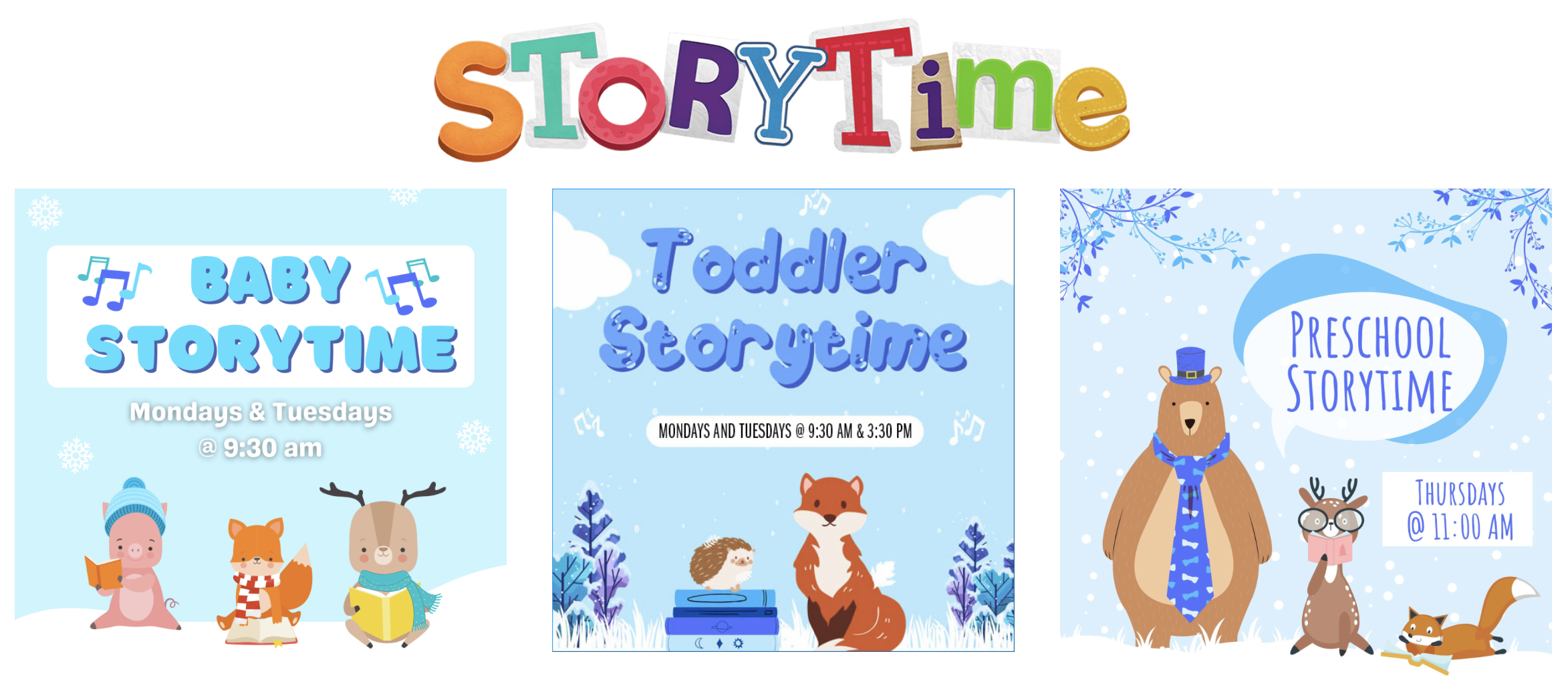
Baby Storytime (up to 24 months) Mondays @ 9:30 am
Baby Storytime focuses on bonding, early sounds, and sensory experiences for our youngest learners.
Toddler Storytime (Ages 24-36 months) Mondays & Tuesdays @ 9:30 am & 3:30 pm
Toddler Storytime adds movement, repetition, and interactive stories to match busy, curious minds.
Preschool Storytime (Ages 3-6) Thursdays @ 11:30 am
Preschool Storytime introduces longer stories, early concepts, and group participation to help prepare children for school.
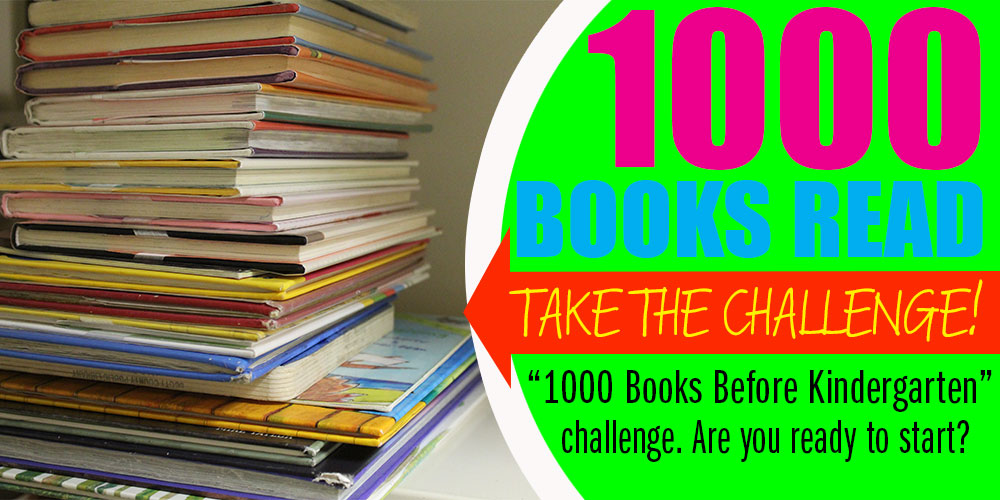
What is this Library Program?
The Scott County Public Library wants to get our community reading, and that means engaging even our youngest readers! We are excited to be offering this exciting ongoing and multi-year reading program for children ages 0-5 years.
This program was developed to increase awareness of the importance of early literacy as well as encouraging parents to embrace their role as their child’s first teacher.
The 1,000 Books Before Kindergarten (1,000 B4K) is a pre-literacy effort aimed at encouraging families to read at least 1000 books to their preschooler, birth to age 5, before they enter school.
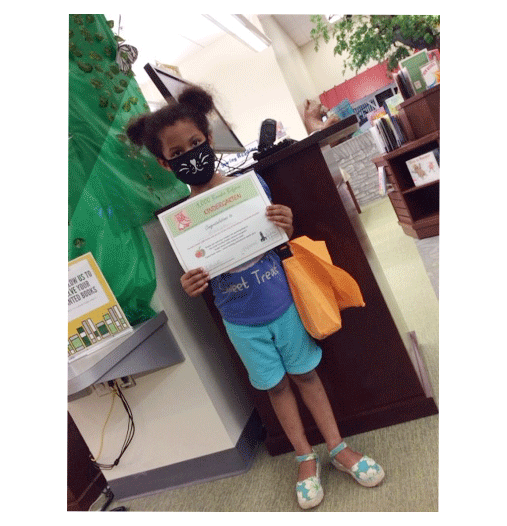 The goal of this project is to help kids enter school ready to learn. Reading is one of the most important things you can do to ensure your child’s success when they begin school. It also provides an opportunity to increase their exposure to a wide variety of ideas and information, and to promote use of the library – your treasure trove of free reading material. As a parent, reading to our children also is essential to help them learn several important skills:
- Print Motivation
- Vocabulary
- Print Awareness
- Letter Knowledge
- Phonological Awareness
- Narrative Skills
These skills have been singled out by the American Libraries Association and other institutions the key pre-reading skills.
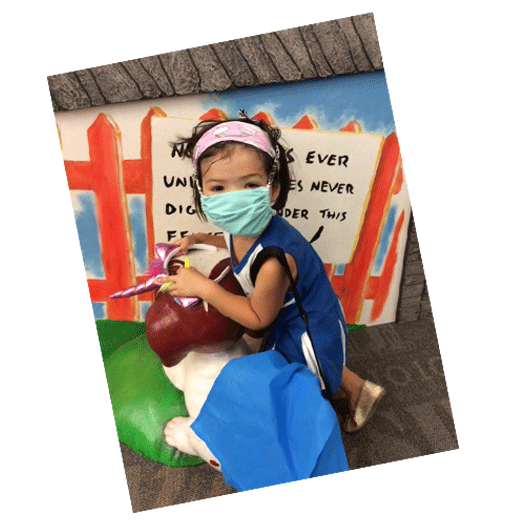 The beauty of this program is that you can read the same book 10 times, if that is what your child wants to hear. Repetition is great for your child to learn sequencing and narrative story order. Of course, we encourage all parents to keep reading to their child beyond the 1,000 books. Setting your own reading goals with your child is the first step in helping them become good readers.
Why 1,000 Books???
Author Mem Fox makes a profound statement in her book Reading Magic: why reading aloud to our children will change their lives forever:
“Reading aloud and talking about what we’re reading sharpens children’s brains. It helps develop their ability to concentrate at length, to solve problems logically, and to express themselves more easily and clearly. The stories they hear provide them with witty phrases, new sentences, and words of subtle meaning. Before long children begin to understand the look of the print and the way words work in sentences… No wonder experts tell us that children need to hear a thousand stories read aloud before they learn to read for themselves. A thousand! That sounds daunting. But when we do the sums, it isn’t as bad as we might think. Three stories a day will deliver us a thousand stories in one year alone, let alone in the four or five years prior to school. We can do it!” (pp.15-17)
 How do I enroll my child and participate?
Please come to the Information Desk to sign up for the program and to obtain the first reading log. We furnish you with a log to keep track of what you have read to your child. Please be diligent in your records! Each child gets their own log.
Once you finish reading the first group of 100 books, come in with your completed log and get the next log for 100 books. Prizes will be given as each child reaches the 200, 400, 600, 800 and 1,000 book goals!
 Come in each time you are ready for a new log. When you reach the 500 book halfway mark, we will give you a different insert with information on reading and child development.
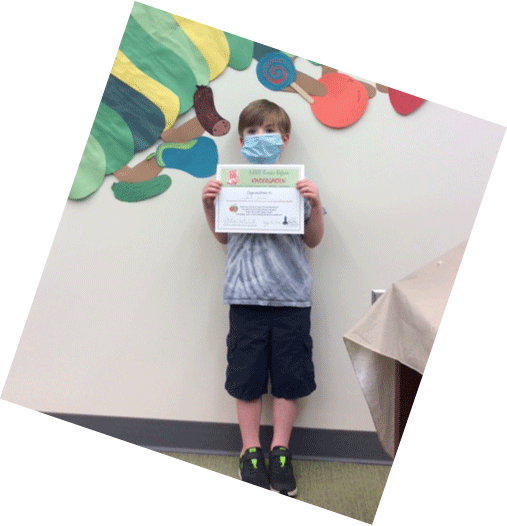
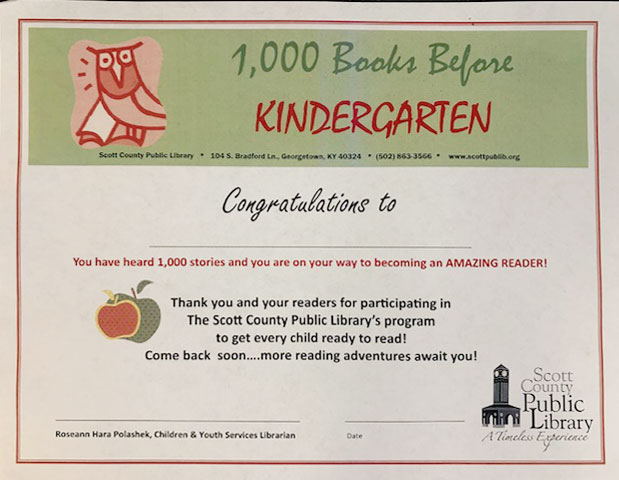
When you have finished the reading log and reach your 1,000 books, make sure you come to the Information Desk so we can take your picture with your child & Completion Certificate! Your child will then pick up the final gift before becoming a book-and-library-loving Kindergartner!
Does your child have their own Library Card? Get it today! It’s Free!
What are some tips and tricks to get my kids “to read” with me?
- Pick out books you enjoy and have fun reading together.
- Use expression! Use different voices and accents for different characters in the story.
- Get Silly. Kids love it when their parents break mold, sit on the floor and just get silly!
- Find a time when you and your child are in a good mood to read. Reading together should never be a chore or a threat!
For tips and hints on becoming a better “Out Loud” reader, go to the website of author Mem Fox at memfox.net. There, you can see and hear her read aloud and see her “ten read-aloud commandments” for adults!
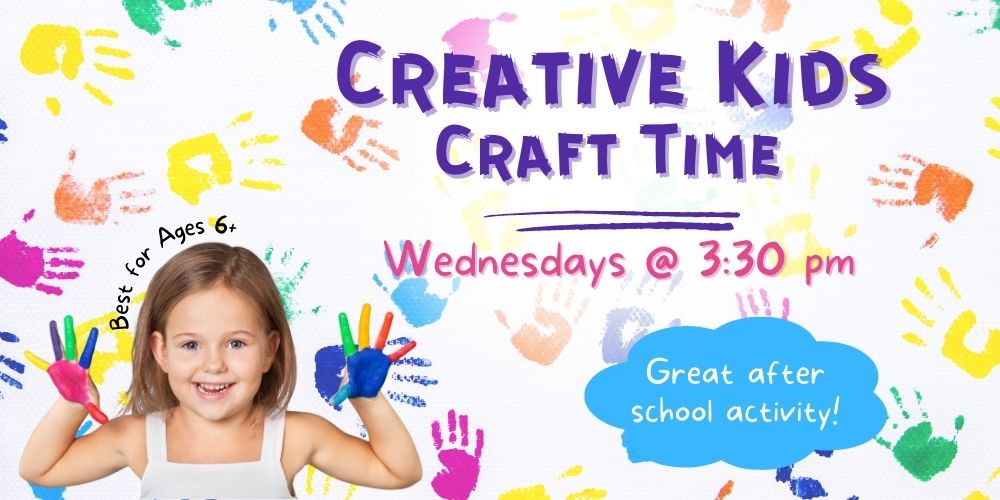
Creative Kids: Art and Fun Crafts
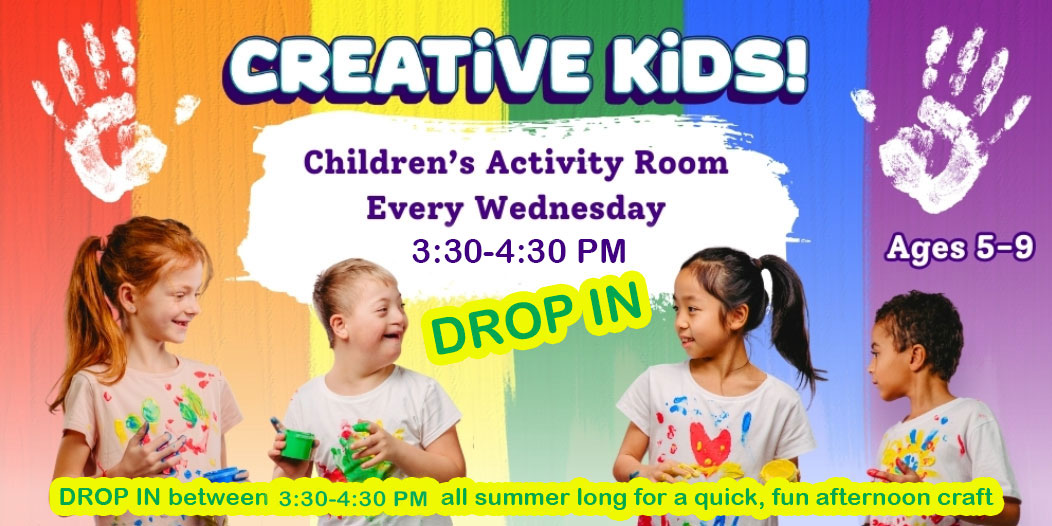
Recommended ages 5-9 years. FREE! No Registration required. DROP IN after school between 3:30 - 4:30 for a quick, fun afternoon craft. Join us as we share a new craft each week and learn new skills. Must be able to follow stepped directions, use scissors, glue, markers, paint independently.
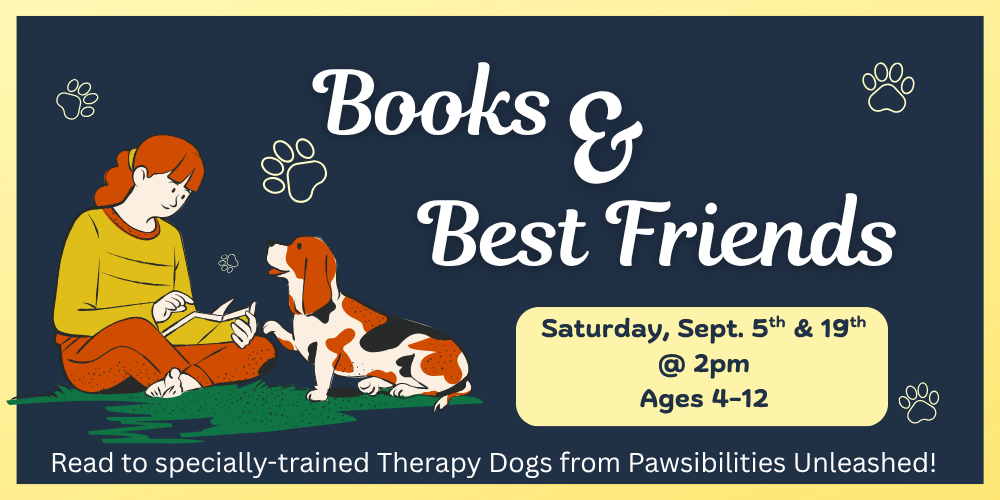
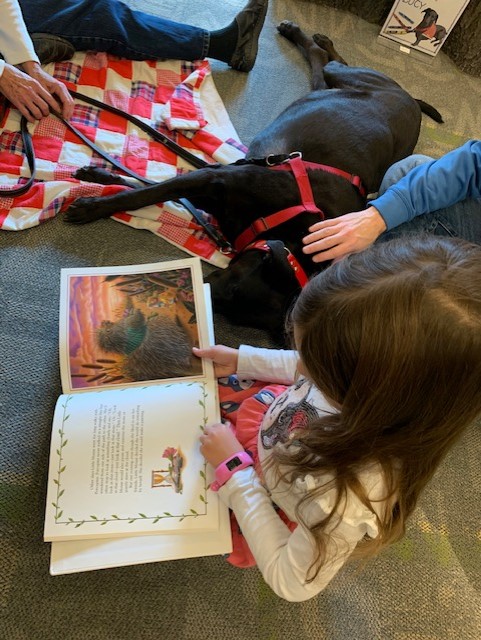 Books & Best Friends: Read to Therapy Dogs (Ages 4-12)
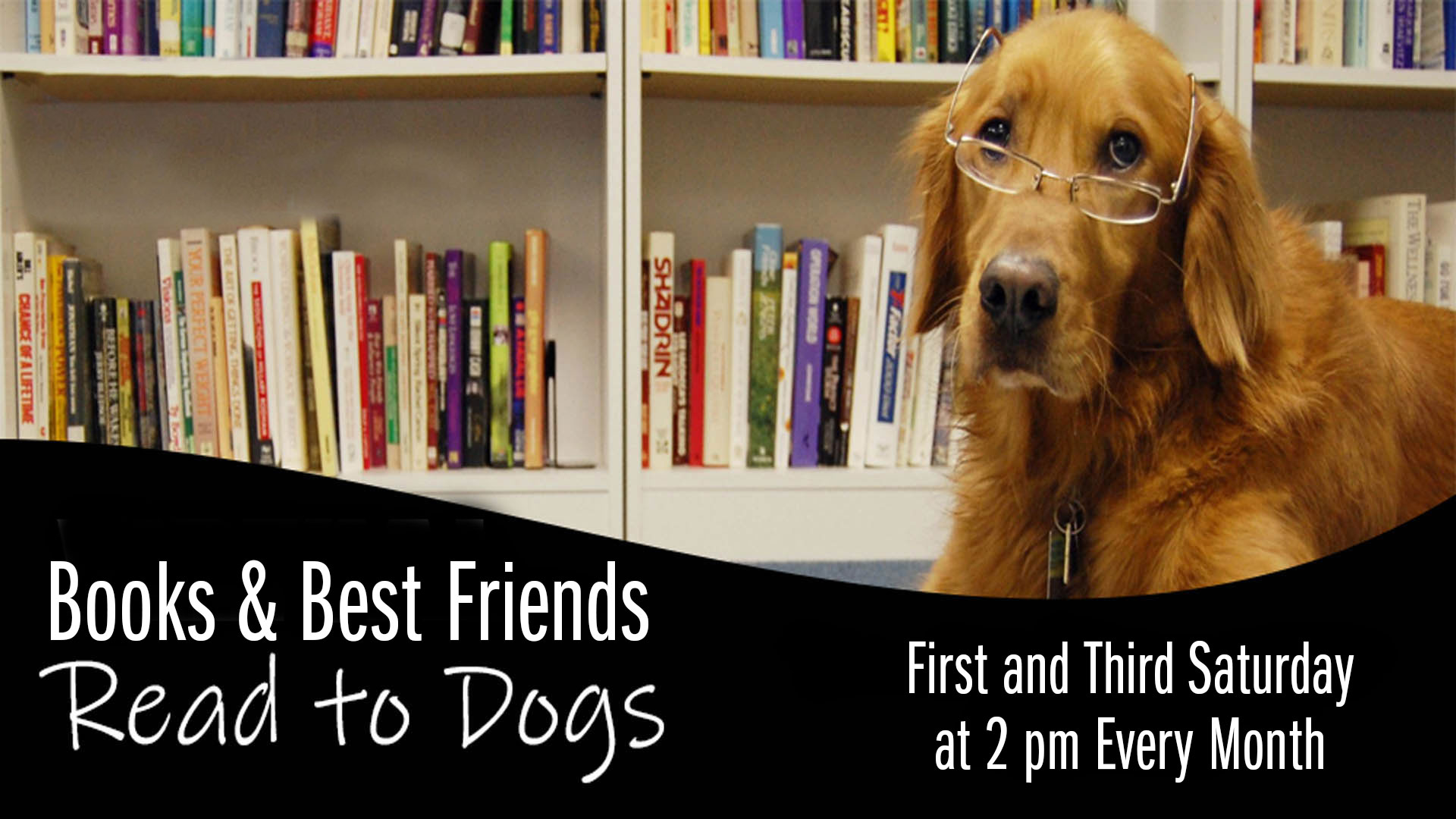
Come read to Therapy Dogs from Pawsibilities Unleashed every First & Third Saturdays of the month! Young readers are invited to "bone up" on their reading skills by reading to specially trained dogs. Just learned to read and want to show off? Read to the dogs! Struggling with reading and want to chill out with a friend- read to the dogs!
FREE. Parents, register your child in person -check in with Youth Staff. Come read with the Dogs today. They don't judge you, just love you! A tail-wagging good time! Use our books or bring a special one from home.